Safety Score
5.7/10
Currency
EUR
Language
English
Timezone
Europe/Brussels
Things to Do in Dublin, Ireland
Best Things to See & Do in Dublin
Guinness Storehouse
Ireland's top attraction; a seven-story immersive experience in a former fermentation plant.
Kilmainham Gaol
A former prison-turned-museum that held many of Ireland's most famous political figures and revolutionaries.
The Book of Kells Experience
A new 2026 immersive digital journey through the 9th-century manuscript, paired with a visit to the Old Library.
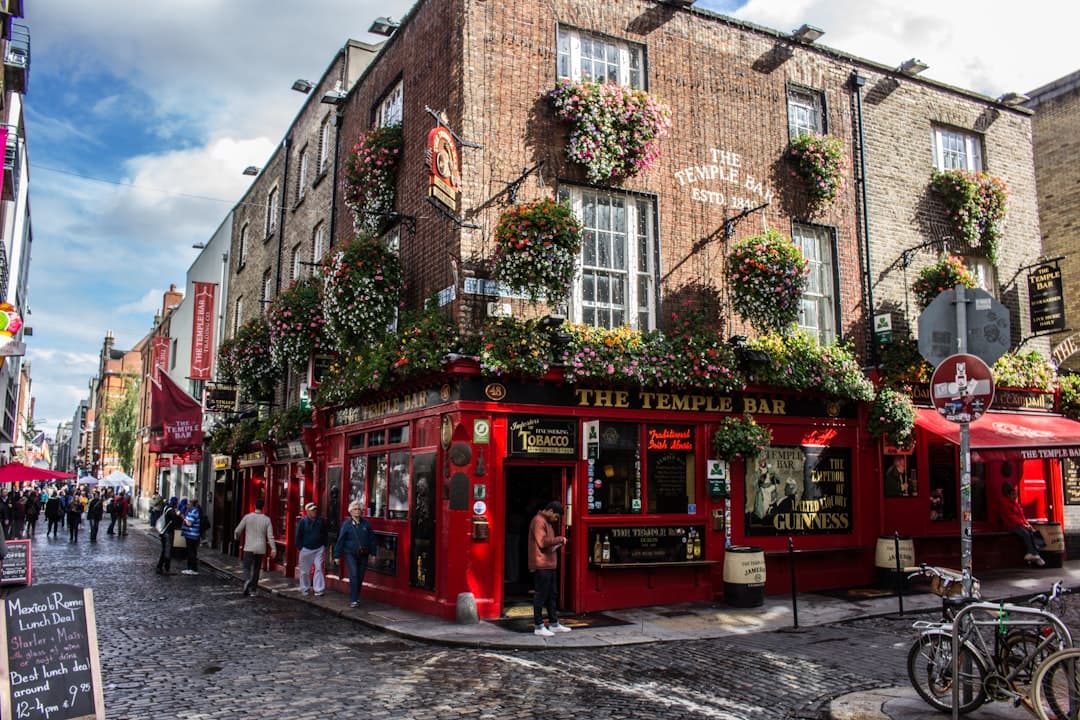
Temple Bar District
Dublin’s "Cultural Quarter," famous for its cobblestone streets, red-fronted pubs, and live traditional music.
Phoenix Park
One of Europe's largest enclosed urban parks, home to wild fallow deer and the Irish President's residence.
Little Museum of Dublin
A quirky, award-winning museum in a Georgian townhouse telling the story of Dublin in the 20th century.
St. Patrick's Cathedral
Ireland’s national cathedral, built in honor of the patron saint, famous for its choir and Gothic architecture.
EPIC The Irish Emigration Museum
A high-tech, fully digital museum exploring the global impact of the Irish diaspora.
Dublin Zoo
Located in Phoenix Park, one of the world's oldest zoos with a focus on conservation and habitat immersion.
Howth Cliff Walk
A spectacular coastal trail on the Howth Peninsula offering views of the Irish Sea and Baily Lighthouse.
Christ Church Cathedral
Dublin’s oldest building (1030 AD), known for its massive medieval crypt and "Tom & Jerry" (the mummified cat/rat).
Grafton Street
Dublin's premier pedestrian shopping street, famous for high-end stores and world-class buskers.
Teeling Whiskey Distillery
The first new distillery in Dublin in 125 years, located in the historic "Golden Triangle."
National Gallery of Ireland
Home to Ireland’s national collection of Irish and European art, including works by Vermeer and Caravaggio.
Jameson Distillery Bow St.
The original site where Jameson was distilled until 1971, now a flagship brand experience.
Glasnevin Cemetery Museum
Ireland’s necropolis and the final resting place of 1.5 million people, including Michael Collins.
National Botanic Gardens
A 19.5-hectare garden featuring stunning restored Victorian glasshouses and rare plant species.
Croke Park & GAA Museum
The headquarters of Irish traditional sports (Hurling and Gaelic Football) and site of the "Skyline" walk.
Dublin Castle
A 13th-century castle that served as the seat of British rule in Ireland for 700 years.
GPO Museum (General Post Office)
The headquarters of the 1916 Easter Rising; an active post office with an immersive historical museum inside.
Dun Laoghaire Pier
A massive 19th-century granite pier perfect for a coastal walk, famous for "Teddy's Ice Cream."
Marsh's Library
Ireland's oldest public library (1707), featuring original oak bookcases and "cages" for readers.
The Forty Foot
A historic bathing pool on the edge of Dublin Bay, world-famous for year-round sea swimming.
George's Street Arcade
A beautiful red-brick Victorian indoor market filled with vintage clothes, vinyl records, and quirky cafes.
Things to Do in Dublin - Top 24 Attractions
Planning a trip to Dublin? Discover the 24 best things to do in Dublin, Ireland. From iconic landmarks and historic sites to local markets and outdoor adventures, our guide covers the top attractions and must-see sights that make Dublin one of the most popular destinations in Ireland.
Top things to see in Dublin include Guinness Storehouse, Kilmainham Gaol, The Book of Kells Experience and 2 more incredible sites. Each offers a unique glimpse into what makes Dublin special for first-time visitors and seasoned travellers alike.
Whether you're visiting Dublin for a weekend break or a longer stay, there are things to do for every type of traveller — cultural experiences, historic sightseeing, outdoor activities, and local food markets. Most visitors recommend spending at least 2–3 days to cover the main highlights of Dublin.
Browse the full list of Dublin attractions below, save your favourites, and build a personalised itinerary that matches your pace and interests. Our free Dublin travel guide is updated regularly so you always have the most current recommendations.
About Dublin
Dublin is a friendly city of literature, pubs, and Guinness. The city’s green parks and historic streets are easy to explore. A lively cultural scene keeps nights animated.
Frequently Asked Questions about Dublin
What are the must-see attractions in Dublin?
Dublin offers numerous iconic attractions. Our curated list includes top-rated landmarks, museums, and hidden gems. Browse our recommendations above to plan your perfect sightseeing itinerary.
How do I skip the lines at popular attractions in Dublin?
To avoid long queues, visit popular attractions early in the morning or book skip-the-line tickets online. Weekdays are generally less crowded than weekends.
Are there free attractions in Dublin?
Yes, Dublin has many free attractions including parks, historic neighborhoods, and sometimes free museum days. Check our tips section for money-saving advice.
Best Time to Visit
The best time to visit Dublin is from May to September when the weather is mildest and pubs and music venues are lively.
Explore More of Dublin
More about Dublin, Ireland
Dublin is one of Ireland's most visited destinations, celebrated for Pubs, Music, History, Whiskey. The city draws travellers who come to experience its unique blend of history, culture, and modern life — a character shaped over centuries that few destinations in Europe can match. Whether you're planning a short city break or a longer trip, Dublin has enough depth and variety to reward every type of visitor.
Our free Dublin guide covers 24 attractions and points of interest, from iconic landmarks and historic sites to local markets, parks, and neighbourhood highlights. The city's top attractions span a broad range of interests — museum lovers will find world-class collections and gallery spaces, while those who prefer open-air exploration can discover historic quarters, waterfront districts, and green spaces that reveal Dublin's everyday character. Most major sights are reachable on foot or by public transport, making it easy to combine several stops in a single day without needing to hire a car or join an organised tour.
The food scene in Dublin is one of the city's enduring draws. Our guide features 25 handpicked restaurants and dining spots, ranging from street food stalls and neighbourhood eateries serving authentic Ireland cuisine to mid-range bistros and higher-end dining with atmosphere and views. Eating well in Dublin doesn't require a large budget — some of the most memorable meals come from simple local places that most visitors walk straight past. Taking the time to explore different areas and neighbourhoods quickly reveals how Dublin's food culture reflects the broader personality of the city and its people.
Choosing where to stay shapes the entire experience of a Dublin visit. Our guide includes 25 vetted accommodation options across the city's main districts, covering budget-friendly hostels, mid-range hotels, boutique properties, and apartments suited to longer stays or families. Staying centrally puts the main sights within easy walking distance, but choosing a quieter neighbourhood a little further out often delivers better value and a more authentic local feel. The right area depends on what matters most to you — whether that's access to key attractions, good public transport links, proximity to the best restaurants, or simply finding a part of Dublin that fits your pace.
A few practical details worth knowing before you travel: the local language is English; the currency is EUR; the best time to visit is The best time to visit Dublin is from May to September when the weather is mildest and pubs and music venues are lively.. Getting around Dublin is generally straightforward — most cities in Ireland offer a reliable mix of metro, bus, and tram networks, with central areas compact enough to cover on foot. Local customs, tipping etiquette, safety advice, and money-saving strategies are all covered in the dedicated Dublin travel tips section of this free guide, which is updated regularly to reflect current conditions on the ground.