Safety Score
8/10
Currency
EUR
Language
Italian
Timezone
Europe/Rome
Florence Travel Tips - Italy Visitor Guide
Insider Tips for Visiting Florence
Insider Tips
0 local insights to help you travel smarter
Florence Travel Tips - Essential Visitor Information
Get the most out of your Florence trip with essential travel tips from people who know the city well. From local customs and getting around, to budgeting advice and safety — these insider tips help you visit Florence like a local.
Understanding how Florence works — its transport, tipping culture, local etiquette, and hidden costs — can make the difference between a stressful trip and a seamless one. These tips are based on real traveller experiences in Italy.
The tips below cover everything you need to know before and during your Florence visit, organised so you can find relevant advice quickly whether you're still planning or already there.
About Florence
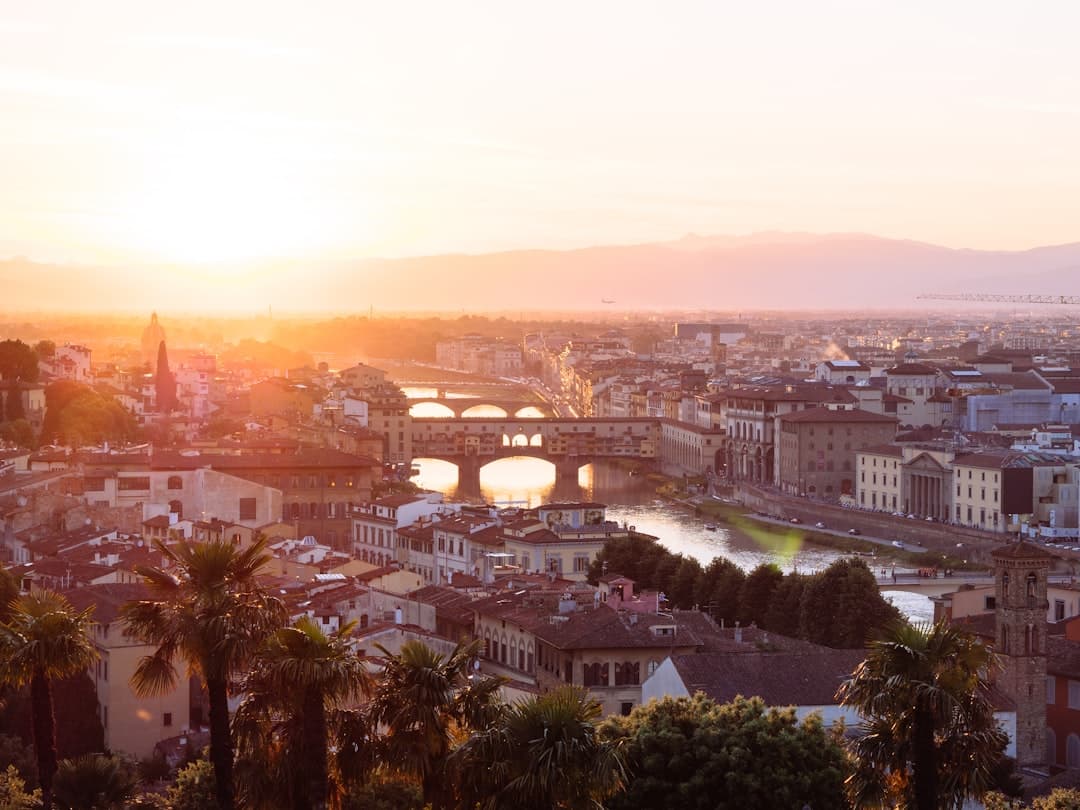
Florence, the capital of Tuscany and birthplace of the Renaissance, is a world-renowned city of art and culture, featuring unmatched, UNESCO-listed, 14th-century, historic charm. Located on the Arno River, it is famous for the iconic Duomo, Michelangelo’s "David", the Uffizi Gallery, and Medici history, all set against the scenic, hilly backdrop of the Tuscan countryside.
Frequently Asked Questions about Florence
What should I know before visiting Florence?
Key tips include understanding local customs, knowing the currency, and being aware of any visa requirements. Our comprehensive tips above cover everything you need for a smooth trip.
What's the tipping culture in Florence?
Tipping customs vary by location and service type. Check our detailed tips above for specific guidance on tipping at restaurants, hotels, and for tour services in Florence.
Is English widely spoken in Florence?
English proficiency varies. In tourist areas, you'll generally find English speakers, but learning a few local phrases is always appreciated and helpful.
Best Time to Visit
The best time to visit Florence is during the spring (April to June) and early fall (September to October). During these months, the weather is mild and pleasant, ideal for exploring the city's rich art and architecture. Additionally, you can enjoy fewer
Explore More of Florence
More about Florence, Italy
Florence is one of Italy's most visited destinations, celebrated for Renaissance art, Florence Cathedral, Uffizi Gallery, Ponte Vecchio. The city draws travellers who come to experience its unique blend of history, culture, and modern life — a character shaped over centuries that few destinations in Europe can match. Whether you're planning a short city break or a longer trip, Florence has enough depth and variety to reward every type of visitor.
Our free Florence guide covers a wide range of attractions and points of interest, from iconic landmarks and historic sites to local markets, parks, and neighbourhood highlights. The city's top attractions span a broad range of interests — museum lovers will find world-class collections and gallery spaces, while those who prefer open-air exploration can discover historic quarters, waterfront districts, and green spaces that reveal Florence's everyday character. Most major sights are reachable on foot or by public transport, making it easy to combine several stops in a single day without needing to hire a car or join an organised tour.
The food scene in Florence is one of the city's enduring draws. Our guide features 25 handpicked restaurants and dining spots, ranging from street food stalls and neighbourhood eateries serving authentic Italy cuisine to mid-range bistros and higher-end dining with atmosphere and views. Eating well in Florence doesn't require a large budget — some of the most memorable meals come from simple local places that most visitors walk straight past. Taking the time to explore different areas and neighbourhoods quickly reveals how Florence's food culture reflects the broader personality of the city and its people.
Choosing where to stay shapes the entire experience of a Florence visit. Our guide includes 25 vetted accommodation options across the city's main districts, covering budget-friendly hostels, mid-range hotels, boutique properties, and apartments suited to longer stays or families. Staying centrally puts the main sights within easy walking distance, but choosing a quieter neighbourhood a little further out often delivers better value and a more authentic local feel. The right area depends on what matters most to you — whether that's access to key attractions, good public transport links, proximity to the best restaurants, or simply finding a part of Florence that fits your pace.
A few practical details worth knowing before you travel: the local language is Italian; the currency is EUR; the best time to visit is The best time to visit Florence is during the spring (April to June) and early fall (September to October). During these months, the weather is mild and pleasant, ideal for exploring the city's rich art and architecture. Additionally, you can enjoy fewer . Getting around Florence is generally straightforward — most cities in Italy offer a reliable mix of metro, bus, and tram networks, with central areas compact enough to cover on foot. Local customs, tipping etiquette, safety advice, and money-saving strategies are all covered in the dedicated Florence travel tips section of this free guide, which is updated regularly to reflect current conditions on the ground.