Safety Score
7.9/10
Currency
EUR
Language
German
Timezone
Europe/Madrid
Things to Do in Frankfurt, Germany
Best Things to See & Do in Frankfurt
Main Tower
Frankfurt's only skyscraper with a public observation deck, offering 360-degree views from 200m up.
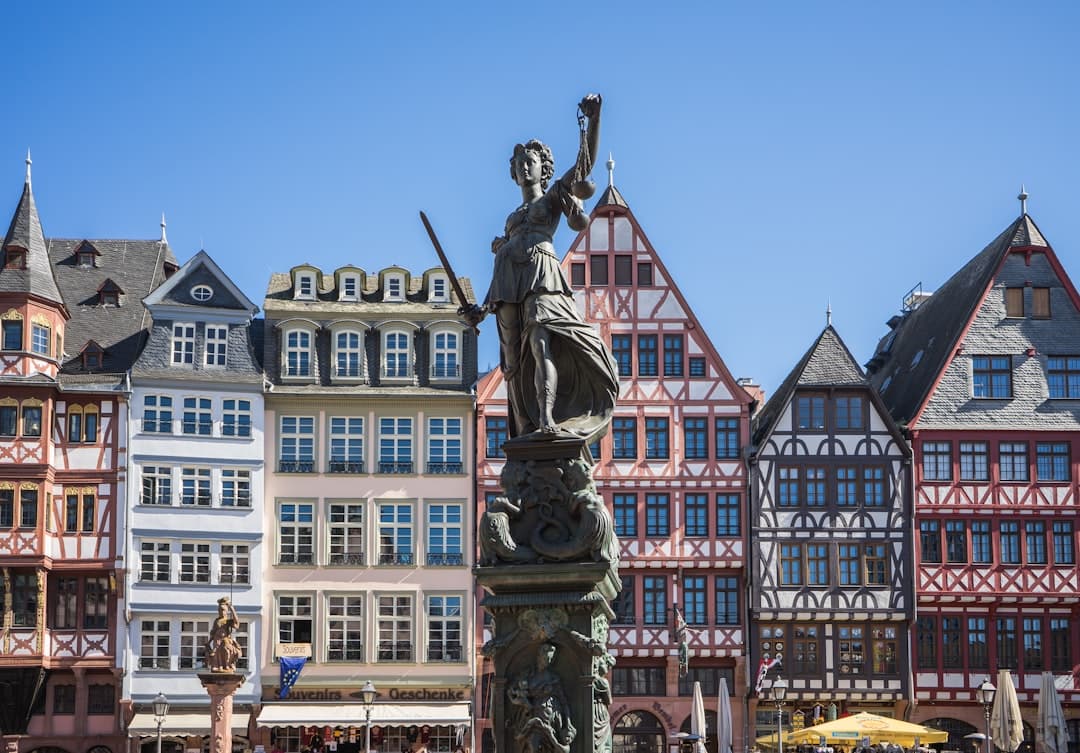
Römerberg
The historic heart of Frankfurt, featuring the Town Hall (Römer) and iconic half-timbered houses.
Städel Museum
One of Germany’s most important art museums, featuring 700 years of European art history.
Palmengarten
A massive 22-hectare botanical garden featuring exotic plant houses and a 19th-century iron Palm House.
Goethe House & Museum
The birthplace and family home of Germany’s most famous writer, Johann Wolfgang von Goethe.
Kleinmarkthalle
A legendary indoor market hall with 150+ stalls selling fresh food, regional specialties, and international treats.
New Old Town (DomRömer)
A 2018-reconstructed quarter that brought the medieval "coronation path" back to life with 35 unique buildings.
Senckenberg Natural History Museum
One of the largest natural history museums in Germany, famous for its massive dinosaur skeletons.
Eiserner Steg (Iron Bridge)
A 19th-century pedestrian footbridge covered in "love locks," connecting the city center to Sachsenhausen.
Alt-Sachsenhausen (Cider District)
A historic quarter known for its narrow alleys and traditional "Apfelwein" (cider) taverns.
Frankfurt Cathedral (Dom)
A 14th-century Gothic cathedral that served as the coronation site for Holy Roman Emperors.
Museum Embankment (Museumsufer)
A collection of 15+ museums lined up along both sides of the Main River.
Dialog Museum
An experiential museum where blind or visually impaired guides lead you through everyday settings in total darkness.
German Film Museum (DFF)
An interactive museum dedicated to the history and technology of cinema, from magic lanterns to CGI.
St. Paul’s Church (Paungskirche)
The site of the first freely elected German parliament in 1848, now a symbol of German democracy.
Zeil Shopping Promenade
Frankfurt's main shopping street, featuring the futuristic MyZeil mall and its "canyon" glass facade.
Frankfurt Zoo
Located in the city center, focusing on animal conservation and unique habitats like the nocturnal house.
Schirn Kunsthalle
A leading exhibition hall for modern and contemporary art, located between the Römer and the Cathedral.
Alte Oper (Old Opera House)
A grand Renaissance-style concert hall that was once the "most beautiful ruin in Germany."
Berger Straße
A 3km long street in Bornheim filled with boutiques, traditional cider houses, and a local weekly market.
Historical Museum Frankfurt
The city's "memory," featuring models of the old city and interactive look at Frankfurt’s evolution.
Nizza Gardens
A micro-climate riverbank garden with Mediterranean plants like palm, lemon, and olive trees.
Frankfurt City Forest (Stadtwald)
One of the largest inner-city forests in the world, featuring hiking trails and a "Goethe Tower."
Jewish Museum Frankfurt
Located in a former Rothschild palace, it tells the 800-year history of Jews in Frankfurt.
Höchst Old Town
A picturesque district with 16th-century timber-framed houses, a castle, and the St. Justin’s Church.
Things to Do in Frankfurt - Top 25 Attractions
Planning a trip to Frankfurt? Discover the 25 best things to do in Frankfurt, Germany . From iconic landmarks and historic sites to local markets and outdoor adventures, our guide covers the top attractions and must-see sights that make Frankfurt one of the most popular destinations in Germany .
Top things to see in Frankfurt include Main Tower, Römerberg, Städel Museum and 2 more incredible sites. Each offers a unique glimpse into what makes Frankfurt special for first-time visitors and seasoned travellers alike.
Whether you're visiting Frankfurt for a weekend break or a longer stay, there are things to do for every type of traveller — cultural experiences, historic sightseeing, outdoor activities, and local food markets. Most visitors recommend spending at least 2–3 days to cover the main highlights of Frankfurt.
Browse the full list of Frankfurt attractions below, save your favourites, and build a personalised itinerary that matches your pace and interests. Our free Frankfurt travel guide is updated regularly so you always have the most current recommendations.
About Frankfurt
Frankfurt, a central German city on the river Main, is a major financial hub that's home to the European Central Bank. It's the birthplace of famed writer Johann Wolfgang von Goethe, whose former home is now the Goethe House Museum. Like much of the city, it was damaged during World War II and later rebuilt. The reconstructed Altstadt (Old Town) is the site of Römerberg, a square that hosts an annual Christmas market
Frequently Asked Questions about Frankfurt
What are the must-see attractions in Frankfurt?
Frankfurt offers numerous iconic attractions. Our curated list includes top-rated landmarks, museums, and hidden gems. Browse our recommendations above to plan your perfect sightseeing itinerary.
How do I skip the lines at popular attractions in Frankfurt?
To avoid long queues, visit popular attractions early in the morning or book skip-the-line tickets online. Weekdays are generally less crowded than weekends.
Are there free attractions in Frankfurt?
Yes, Frankfurt has many free attractions including parks, historic neighborhoods, and sometimes free museum days. Check our tips section for money-saving advice.
Best Time to Visit
Shoulder seasons of late spring (April to May) and early autumn (September to October), offering pleasant weather and fewer crowds.
Explore More of Frankfurt
More about Frankfurt, Germany
Frankfurt is one of Germany 's most visited destinations, celebrated for Culture & Museums, Modern Skyline, Culinary Traditions, Literature & History. The city draws travellers who come to experience its unique blend of history, culture, and modern life — a character shaped over centuries that few destinations in Europe can match. Whether you're planning a short city break or a longer trip, Frankfurt has enough depth and variety to reward every type of visitor.
Our free Frankfurt guide covers 25 attractions and points of interest, from iconic landmarks and historic sites to local markets, parks, and neighbourhood highlights. The city's top attractions span a broad range of interests — museum lovers will find world-class collections and gallery spaces, while those who prefer open-air exploration can discover historic quarters, waterfront districts, and green spaces that reveal Frankfurt's everyday character. Most major sights are reachable on foot or by public transport, making it easy to combine several stops in a single day without needing to hire a car or join an organised tour.
The food scene in Frankfurt is one of the city's enduring draws. Our guide features 25 handpicked restaurants and dining spots, ranging from street food stalls and neighbourhood eateries serving authentic Germany cuisine to mid-range bistros and higher-end dining with atmosphere and views. Eating well in Frankfurt doesn't require a large budget — some of the most memorable meals come from simple local places that most visitors walk straight past. Taking the time to explore different areas and neighbourhoods quickly reveals how Frankfurt's food culture reflects the broader personality of the city and its people.
Choosing where to stay shapes the entire experience of a Frankfurt visit. Our guide includes 25 vetted accommodation options across the city's main districts, covering budget-friendly hostels, mid-range hotels, boutique properties, and apartments suited to longer stays or families. Staying centrally puts the main sights within easy walking distance, but choosing a quieter neighbourhood a little further out often delivers better value and a more authentic local feel. The right area depends on what matters most to you — whether that's access to key attractions, good public transport links, proximity to the best restaurants, or simply finding a part of Frankfurt that fits your pace.
A few practical details worth knowing before you travel: the local language is German; the currency is EUR; the best time to visit is Shoulder seasons of late spring (April to May) and early autumn (September to October), offering pleasant weather and fewer crowds.. Getting around Frankfurt is generally straightforward — most cities in Germany offer a reliable mix of metro, bus, and tram networks, with central areas compact enough to cover on foot. Local customs, tipping etiquette, safety advice, and money-saving strategies are all covered in the dedicated Frankfurt travel tips section of this free guide, which is updated regularly to reflect current conditions on the ground.