Safety Score
6.3/10
Currency
PHP
Language
Filipino
Timezone
Asia/Hong_Kong
Things to Do in Manila, Philippines
Best Things to See & Do in Manila
Intramuros (Walled City)
The 400-year-old historic heart of Manila, featuring Spanish era fortifications, churches, and plazas.
Fort Santiago
A 16th-century citadel within Intramuros where the national hero, Jose Rizal, was imprisoned.
National Museum of Natural History
Housed in the former Agriculture building, featuring a stunning "Tree of Life" central structure and a replica of Lolong.
Rizal Park (Luneta)
One of Asia's largest urban parks, a symbolic site for Philippine independence and a popular local hangout.
Binondo (Chinatown)
The world's oldest Chinatown (established 1594), a chaotic and vibrant hub of Filipino-Chinese food and culture.
Manila Ocean Park
An integrated marine theme park with an underwater tunnel, sea lion shows, and a "Hotel H2O" inside.
San Agustin Church & Museum
A UNESCO World Heritage site and the oldest stone church in the Philippines, featuring incredible trompe l'oeil ceilings.
Bonifacio Global City (BGC)
A sleek, modern financial district known for its street art, upscale shopping, and "High Street" promenade.
National Museum of Fine Arts
The former Legislative Building, home to Juan Luna’s "Spoliarium" and the best of Filipino classical art.
Pasig River Esplanade
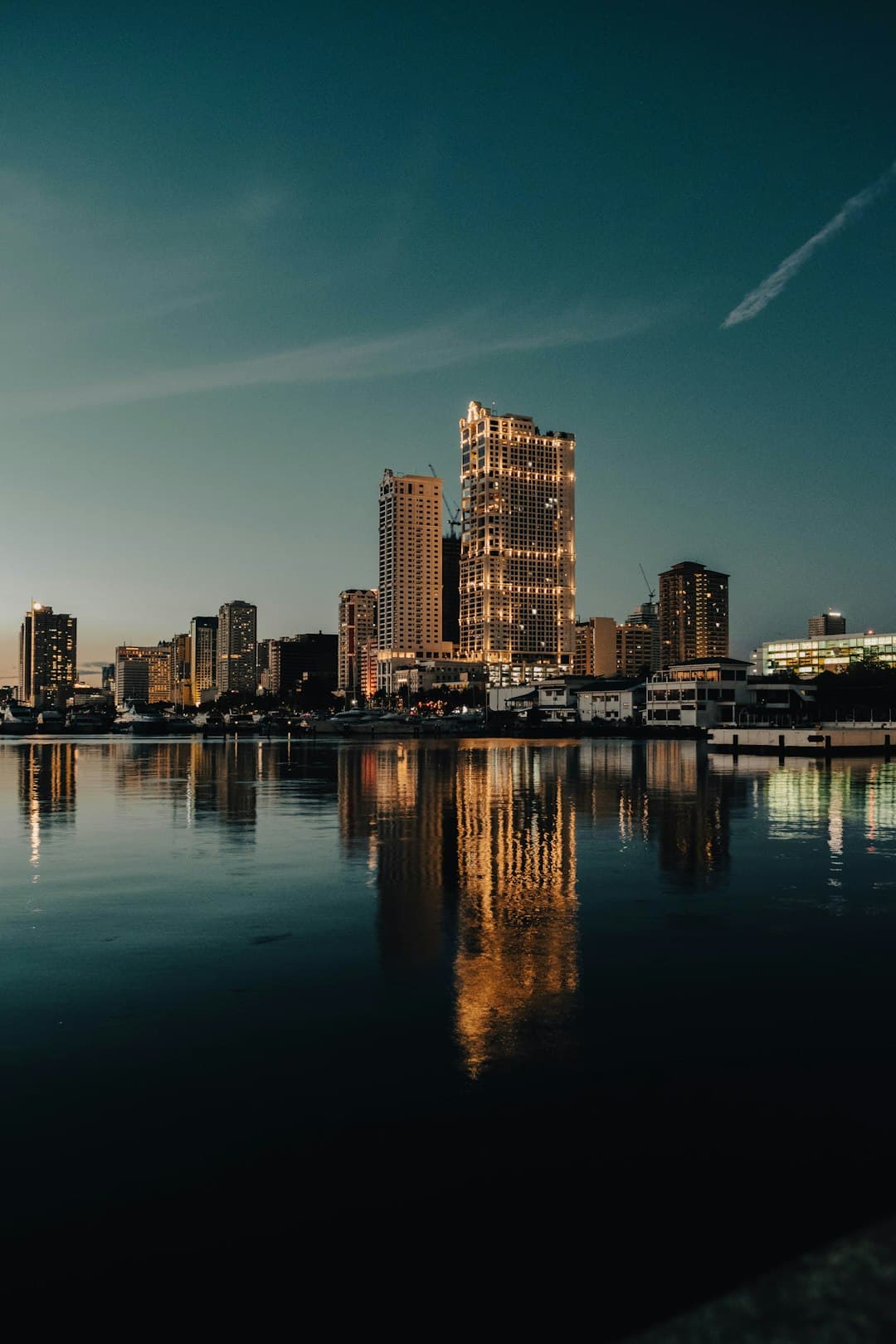
A newly developed riverside promenade with bike lanes, cafe pop-ups, and sunset views.
Manila Cathedral
The premier basilica of the Philippines, featuring a magnificent neo-Romanesque facade and bronze doors.
Ayala Museum
A private museum in Makati showcasing pre-colonial gold, historic dioramas, and contemporary art.
SM Mall of Asia (MOA)
One of the world's largest malls, featuring an Olympic-sized ice rink, an IMAX theater, and a Ferris wheel.
Casa Manila
A museum in Intramuros that recreates the lifestyle of an upper-class Filipino family during the Spanish colonial era.
Venice Grand Canal Mall
A shopping mall inspired by Venice, featuring a man-made canal and gondola rides.
Star City
A classic Manila amusement park offering a mix of indoor and outdoor rides, including a "Snow World."
Arroceros Forest Park
Known as "Manila’s Last Lung," this 2.2-hectare riverside park is home to native trees and bird species.
National Museum of Anthropology
Showcasing the diverse ethnography and archaeological history of the Philippines, including the San Diego shipwreck artifacts.
Okada Manila (Fountain Show)
A massive luxury casino and resort featuring the world's largest multicolor dancing fountain.
Malate Nightlife (Adriatico)
A historic district known for its bohemian vibe, open-air bars, and LGBTQ+-friendly nightlife.
Greenbelt Chapel
A circular, open-air church set in a lush park in the middle of a luxury shopping mall.
Paco Park & Cemetery
A circular cemetery-turned-park where Jose Rizal was secretly buried, known for its romantic, haunting vibe.
Manila Baywalk (Dolomite Beach)
A controversial but popular artificial white sand beach and promenade on the shores of Manila Bay.
Escolta Street
A historic street that was once the "Wall Street" of Manila, now seeing a revival of creative hubs and vintage cafes.
La Loma Lechon District
A neighborhood famous for being the "Lechon Capital," where whole roasted pigs are sold street-side.
Things to Do in Manila - Top 25 Attractions
Planning a trip to Manila? Discover the 25 best things to do in Manila, Philippines. From iconic landmarks and historic sites to local markets and outdoor adventures, our guide covers the top attractions and must-see sights that make Manila one of the most popular destinations in Philippines.
Top things to see in Manila include Intramuros (Walled City), Fort Santiago, National Museum of Natural History and 2 more incredible sites. Each offers a unique glimpse into what makes Manila special for first-time visitors and seasoned travellers alike.
Whether you're visiting Manila for a weekend break or a longer stay, there are things to do for every type of traveller — cultural experiences, historic sightseeing, outdoor activities, and local food markets. Most visitors recommend spending at least 2–3 days to cover the main highlights of Manila.
Browse the full list of Manila attractions below, save your favourites, and build a personalised itinerary that matches your pace and interests. Our free Manila travel guide is updated regularly so you always have the most current recommendations.
About Manila
Manila is a bustling capital with colonial heritage, modern malls, and lively nightlife. The city is a gateway to tropical islands and adventure tours. Jeepneys and local markets give it a unique flavor.
Frequently Asked Questions about Manila
What are the must-see attractions in Manila?
Manila offers numerous iconic attractions. Our curated list includes top-rated landmarks, museums, and hidden gems. Browse our recommendations above to plan your perfect sightseeing itinerary.
How do I skip the lines at popular attractions in Manila?
To avoid long queues, visit popular attractions early in the morning or book skip-the-line tickets online. Weekdays are generally less crowded than weekends.
Are there free attractions in Manila?
Yes, Manila has many free attractions including parks, historic neighborhoods, and sometimes free museum days. Check our tips section for money-saving advice.
Best Time to Visit
The best time to visit Manila is from December to May when the dry season brings pleasant temperatures and easier access to nearby beaches.
Explore More of Manila
More about Manila, Philippines
Manila is one of Philippines's most visited destinations, celebrated for Beaches, History, Jeeps, Markets. The city draws travellers who come to experience its unique blend of history, culture, and modern life — a character shaped over centuries that few destinations in Asia can match. Whether you're planning a short city break or a longer trip, Manila has enough depth and variety to reward every type of visitor.
Our free Manila guide covers 25 attractions and points of interest, from iconic landmarks and historic sites to local markets, parks, and neighbourhood highlights. The city's top attractions span a broad range of interests — museum lovers will find world-class collections and gallery spaces, while those who prefer open-air exploration can discover historic quarters, waterfront districts, and green spaces that reveal Manila's everyday character. Most major sights are reachable on foot or by public transport, making it easy to combine several stops in a single day without needing to hire a car or join an organised tour.
The food scene in Manila is one of the city's enduring draws. Our guide features 25 handpicked restaurants and dining spots, ranging from street food stalls and neighbourhood eateries serving authentic Philippines cuisine to mid-range bistros and higher-end dining with atmosphere and views. Eating well in Manila doesn't require a large budget — some of the most memorable meals come from simple local places that most visitors walk straight past. Taking the time to explore different areas and neighbourhoods quickly reveals how Manila's food culture reflects the broader personality of the city and its people.
Choosing where to stay shapes the entire experience of a Manila visit. Our guide includes 25 vetted accommodation options across the city's main districts, covering budget-friendly hostels, mid-range hotels, boutique properties, and apartments suited to longer stays or families. Staying centrally puts the main sights within easy walking distance, but choosing a quieter neighbourhood a little further out often delivers better value and a more authentic local feel. The right area depends on what matters most to you — whether that's access to key attractions, good public transport links, proximity to the best restaurants, or simply finding a part of Manila that fits your pace.
A few practical details worth knowing before you travel: the local language is Filipino; the currency is PHP; the best time to visit is The best time to visit Manila is from December to May when the dry season brings pleasant temperatures and easier access to nearby beaches.. Getting around Manila is generally straightforward — most cities in Philippines offer a reliable mix of metro, bus, and tram networks, with central areas compact enough to cover on foot. Local customs, tipping etiquette, safety advice, and money-saving strategies are all covered in the dedicated Manila travel tips section of this free guide, which is updated regularly to reflect current conditions on the ground.