Safety Score
6.3/10
Currency
CAD
Language
French English
Timezone
UTC−5
Montreal Travel Tips - Canada Visitor Guide
Insider Tips for Visiting Montreal
Insider Tips
11 local insights to help you travel smarter
Download the "Chrono" or "STM Merci" apps to track the Metro and buses in real-time; you can buy "L'Occasionnelle" smart cards for unlimited 1-day or 3-day travel.
Take the 747 Express Bus from Montréal-Trudeau (YVR) to downtown; it runs 24/7 and the $11 fare includes a 24-hour transit pass for the entire STM network.
Use the "BIXI" bike-share app to navigate the city’s massive network of protected bike lanes; it is often faster than the Metro for short hops between neighborhoods.
Order a "Poutine" at "La Banquise" or "Chez Claudette"; look for "squeaky" cheese curds and dark gravy as the markers of a truly authentic batch.
Book a table at a "BYOW" (Apportez votre vin) restaurant in the Plateau; you can bring your own wine from a "SAQ" store and save significantly on dinner costs.
Avoid walking on Saint-Catherine Street during peak Saturday shopping hours if you dislike crowds; use the parallel "De Maisonneuve" bike path for a faster walk.
Buy maple syrup at a local grocery store or the Jean-Talon Market rather than airport souvenir shops to get better quality and lower "non-tourist" prices.
Pack a portable power bank; Montreal’s extreme cold in winter can drain phone batteries in minutes when using GPS outdoors.
Explore "Le Plateau-Mont-Royal" for its iconic colorful houses and winding exterior spiral staircases; it is the most "Montreal" neighborhood for a stroll.
Avoid "Old Montreal" (Vieux-Montréal) for everyday grocery or pharmacy needs; prices there are heavily inflated for tourists compared to the downtown core.
Look for "5 à 7" (Happy Hour) specials; it is a massive part of local culture where bars offer deals on drinks and "entrées" from 5:00 PM to 7:00 PM.
Montreal Travel Tips - Essential Visitor Information
Get the most out of your Montreal trip with essential travel tips from people who know the city well. From local customs and getting around, to budgeting advice and safety — these insider tips help you visit Montreal like a local.
Understanding how Montreal works — its transport, tipping culture, local etiquette, and hidden costs — can make the difference between a stressful trip and a seamless one. These tips are based on real traveller experiences in Canada.
The tips below cover everything you need to know before and during your Montreal visit, organised so you can find relevant advice quickly whether you're still planning or already there.
About Montreal
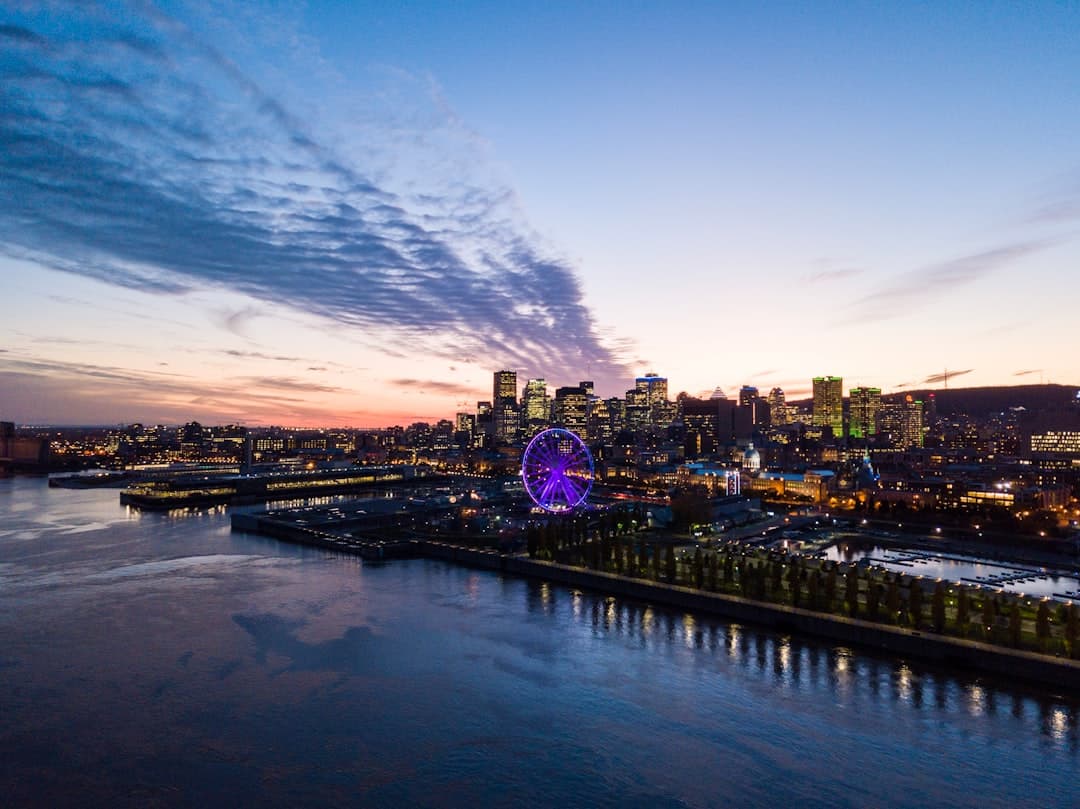
Montreal is a city of festivals, poutine, and old‑port charm. French flair mingles with North American energy. The city offers art, music, and history in a compact layout.
Frequently Asked Questions about Montreal
What should I know before visiting Montreal?
Key tips include understanding local customs, knowing the currency, and being aware of any visa requirements. Our comprehensive tips above cover everything you need for a smooth trip.
What's the tipping culture in Montreal?
Tipping customs vary by location and service type. Check our detailed tips above for specific guidance on tipping at restaurants, hotels, and for tour services in Montreal.
Is English widely spoken in Montreal?
English proficiency varies. In tourist areas, you'll generally find English speakers, but learning a few local phrases is always appreciated and helpful.
Best Time to Visit
The best time to visit Montreal is from June to September when the weather is warm and festivals fill the streets.
Explore More of Montreal
More about Montreal, Canada
Montreal is one of Canada's most visited destinations, celebrated for Festivals, Food, History, French. The city draws travellers who come to experience its unique blend of history, culture, and modern life — a character shaped over centuries that few destinations in North America can match. Whether you're planning a short city break or a longer trip, Montreal has enough depth and variety to reward every type of visitor.
Our free Montreal guide covers 25 attractions and points of interest, from iconic landmarks and historic sites to local markets, parks, and neighbourhood highlights. The city's top attractions span a broad range of interests — museum lovers will find world-class collections and gallery spaces, while those who prefer open-air exploration can discover historic quarters, waterfront districts, and green spaces that reveal Montreal's everyday character. Most major sights are reachable on foot or by public transport, making it easy to combine several stops in a single day without needing to hire a car or join an organised tour.
The food scene in Montreal is one of the city's enduring draws. Our guide features 25 handpicked restaurants and dining spots, ranging from street food stalls and neighbourhood eateries serving authentic Canada cuisine to mid-range bistros and higher-end dining with atmosphere and views. Eating well in Montreal doesn't require a large budget — some of the most memorable meals come from simple local places that most visitors walk straight past. Taking the time to explore different areas and neighbourhoods quickly reveals how Montreal's food culture reflects the broader personality of the city and its people.
Choosing where to stay shapes the entire experience of a Montreal visit. Our guide includes 25 vetted accommodation options across the city's main districts, covering budget-friendly hostels, mid-range hotels, boutique properties, and apartments suited to longer stays or families. Staying centrally puts the main sights within easy walking distance, but choosing a quieter neighbourhood a little further out often delivers better value and a more authentic local feel. The right area depends on what matters most to you — whether that's access to key attractions, good public transport links, proximity to the best restaurants, or simply finding a part of Montreal that fits your pace.
A few practical details worth knowing before you travel: the local language is French English; the currency is CAD; the best time to visit is The best time to visit Montreal is from June to September when the weather is warm and festivals fill the streets.. Getting around Montreal is generally straightforward — most cities in Canada offer a reliable mix of metro, bus, and tram networks, with central areas compact enough to cover on foot. Local customs, tipping etiquette, safety advice, and money-saving strategies are all covered in the dedicated Montreal travel tips section of this free guide, which is updated regularly to reflect current conditions on the ground.
Explore More Destinations
View All Cities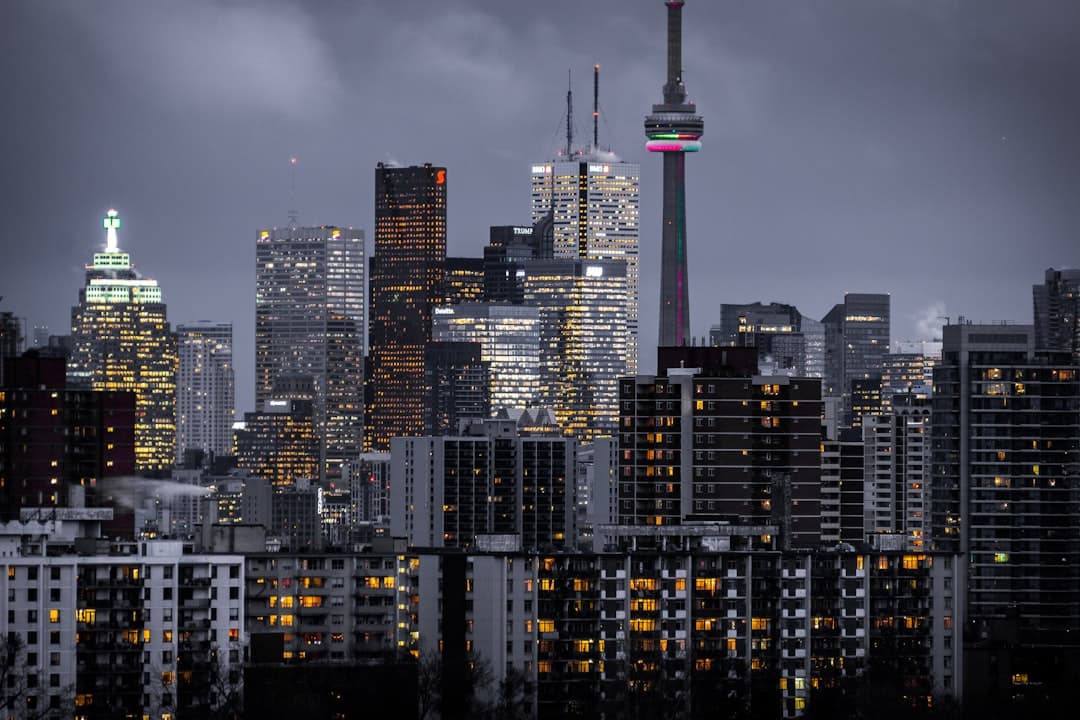
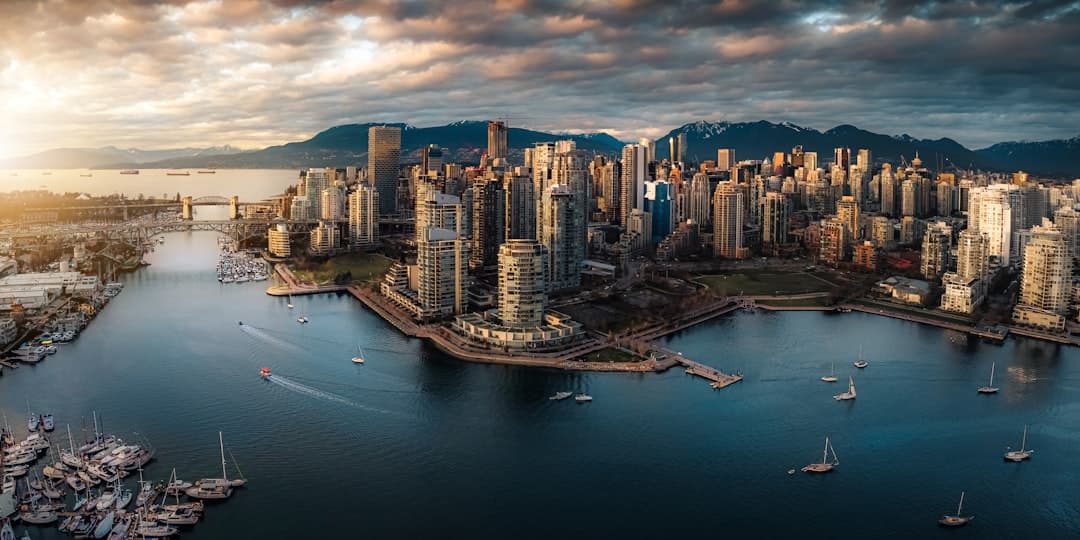
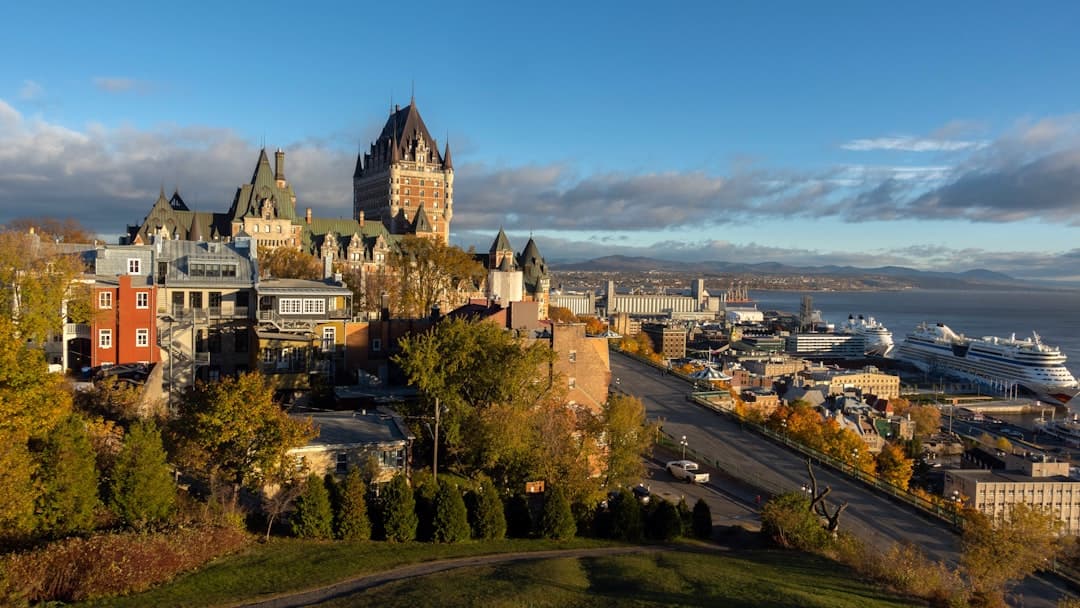
Discover travel guides for Toronto, Vancouver, Quebec City and more.