Safety Score
9/10
Currency
JPY
Language
Japanese
Timezone
JST (UTC+9)
About Tokyo
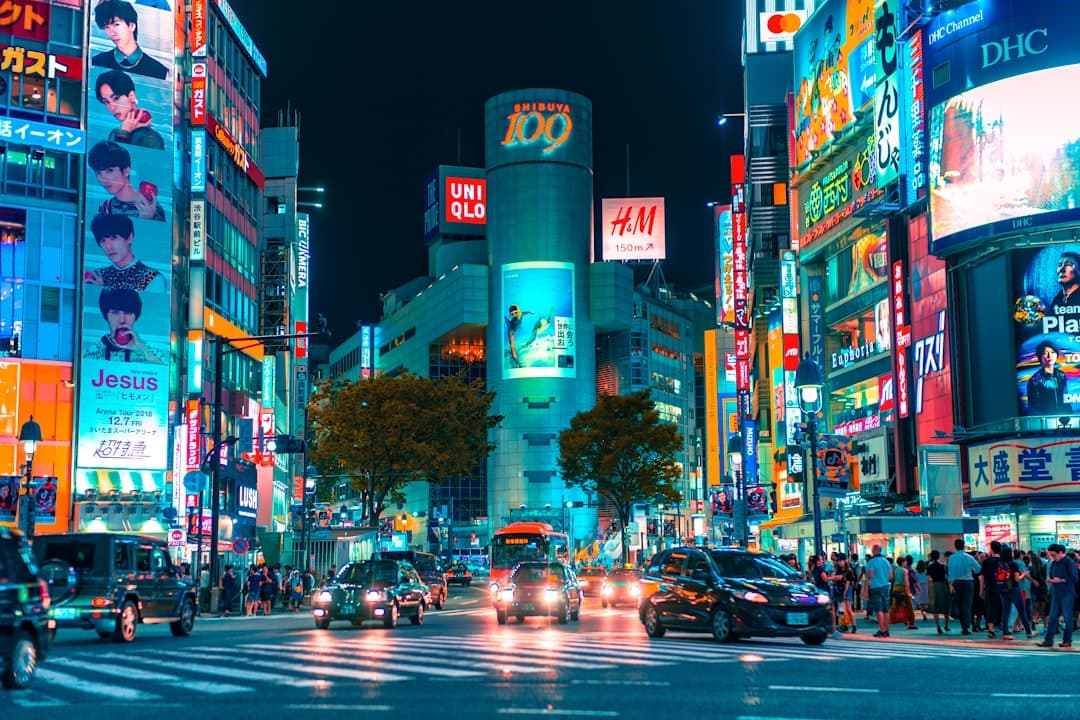
Tokyo, a vibrant fusion of ultra-modernity and traditional culture, captivates travelers with its dazzling skyscrapers, serene temples, and bustling street markets. From savoring world-class sushi in Tsukiji to exploring the historic charm of Asakusa, visitors are treated to an exhilarating sensory experience. With its efficient public transportation, diverse neighborhoods, and rich cultural scene, Tokyo promises an unforgettable adventure for every type of traveler.
Best Time to Visit
The best time to visit Tokyo is during spring (March to May) and autumn (September to November). Spring offers beautiful cherry blossoms, while autumn showcases vibrant fall foliage. Both seasons feature mild weather and numerous festivals, making them id
Best Restaurants in Tokyo, Japan
Where to Eat in Tokyo - Dining Guide
SÉZANNE
Sourdough with Hokkaido Butter
Promoted to 3 Michelin stars in 2026, Chef Daniel Calvert delivers impeccable French precision using Japan's finest seasonal produce.
- +Ultra-luxurious setting
- +Flawless service
- +Innovative pairings
- -Extremely high price
- -Hard to secure bookings
Den
Den-tucky Fried Chicken
A playful, two-star approach to traditional kaiseki that prioritizes "Omotenashi" (hospitality) and creative humor.
- +Fun, relaxed atmosphere
- +Iconic signature dishes
- +English-friendly
- -Highly competitive booking
- -Fixed menu only
Sukiyabashi Jiro (Roppongi)
Classic Nigiri
The more "accessible" branch of the Jiro legacy, offering the same world-class vinegar-heavy rice and pristine fish.
- +Direct lineage of a legend
- +Focus on pure technique
- +Easier than Ginza
- -Strict dining etiquette
- -Brisk pacing (30-45 mins)
Tempura Kondo
Deep-fried Sweet Potato
A two-star Ginza staple where Chef Kondo revolutionized tempura by focusing on the intense sweetness of vegetables.
- +Lightest batter in Tokyo
- +Chef-led experience
- +Great lunch value
- -Difficult to book by phone
- -Strict arrival times
Narisawa
"Bread of the Forest"
A pioneer of "Satoyama" cuisine, Chef Narisawa creates edible landscapes that honor Japanese nature and sustainability.
- +Intellectual dining experience
- +Artistic presentation
- +Vast wine/sake list
- -Long meal duration (3+ hours)
- -Experimental flavors
Kaiten Sushi Toriton
Hokkaido Scallops
Widely regarded as the best conveyor-belt sushi in the city, sourcing exceptionally fresh seafood daily from Hokkaido.
- +Incredible value
- +Freshness rivals omakase
- +Family-friendly
- -Queues can exceed 3 hours
- -No reservations
Florilège
Tasting Menu
Now in its stunning Azabudai Hills location, Chef Kawate focuses on sustainability and a mesmerizing open-kitchen stage.
- +Theatrical open kitchen
- +Sustainable ethos
- +Modern aesthetic
- -Fixed menus
- -Can be socially intense
Sazenka
Young Pigeon with Spices
The first Chinese restaurant in Japan to earn 3 stars, blending Chinese soul with Japanese "umami" and tea culture.
- +World-unique fusion
- +Stunning villa setting
- +Top-tier tea pairings
- -Among the world's priciest
- -Dinner only
Tapas Molecular Bar
Deconstructed Classics
An intimate 8-seat counter performance inside the Mandarin Oriental using science to reinvent flavors.
- +Interactive & playful
- +Great city views
- +Small group focus
- -Only 16 seats per night
- -Strictly timed
Ningyocho Imahan
A5 Black Wagyu Sukiyaki
Founded in 1895, this is the definitive Tokyo destination for traditional, perfectly marbled beef simmered in soy-dashi.
- +Historic atmosphere
- +Expertly cooked at table
- +English service
- -Older, traditional decor
- -Beef-centric menu only
Afuri Ramen
Yuzu Shio Ramen
Famous for its light, citrusy yuzu-infused broth and lean chicken-based soup, popular with locals and travelers alike.
- +Light & healthy ramen
- +Modern vibe
- +Open very late
- -Ticket machine only
- -Usually a line
Kanda Matsuya
Hand-cut Soba
A historic soba house from the Meiji era. Dining here feels like stepping back 100 years into old Tokyo.
- +Historic landmark
- +Incredible hand-cut noodles
- +Great value
- -Communal seating
- -No long lounging
Savoy (Azabu Juban)
Margherita (Tokyo Style)
The pioneers of "Tokyo-Style Neapolitan Pizza"—thin, salty, and wood-fired to perfection at a small counter.
- +Arguably best pizza in Japan
- +Chef interaction
- +Budget-friendly
- -Very small space
- -Fast-paced
New York Grill
US Prime Rib
The iconic "Lost in Translation" restaurant. Famous for its jazz, skyline views, and high-end Western grill.
- +Cinematic city views
- +Live jazz music
- +Vibrant atmosphere
- -Can feel touristy
- -Higher price for drinks
Seu Pizza Illuminati
Gourmet Seasonal Pizza
Voted one of the best pizzerias in Italy, serving thick-crust "contemporary" pizza with wildly creative toppings.
- +Best modern pizza
- +Cool industrial decor
- +Great dessert pizzas
- -Trastevere-fringe location
- -Always fully booked
L'Effervescence
"A Fixed Point" (Turnip)
A 3-star temple of philosophy and sustainability. Their signature slow-cooked turnip is legendary.
- +Harmonious flavors
- +Extensive wine list
- +Calming interior
- -Highly philosophical
- -Nishi-Azabu is hard to access
Maisen Tonkatsu
Kurobuta Pork Cutlet
Located in a beautiful converted bathhouse, this is the gold standard for "melt-in-your-mouth" fried pork.
- +Stunning historic building
- +Consistent quality
- +Takeout available
- -Huge lines at peak hours
- -Large commercial feel
T’s Tan Tan
Vegan Sesame Ramen
The most famous vegan ramen in Tokyo, proving that plant-based broth can be rich, creamy, and satisfying.
- +100% vegan
- +Inside Tokyo Station
- +Fast service
- -Hard to find inside station
- -Busy at rush hour
Ginza Shinohara
Signature Hassun (Seasonal Tray)
A masterclass in rural "Satoyama" flavors brought to the heart of Ginza. Deeply seasonal and artistically complex.
- +Expert craftsmanship
- +Beautiful plating
- +Intimate feel
- -Nearly impossible to book
- -Dinner only
Manson
Grilled Eel on Rice
Specializing in Edomae-style eel since the Edo period, providing a smoky, tender, and culturally rich experience.
- +Authentic local atmosphere
- +Centuries of history
- +Great soul food
- -Limited menu
- -Eel can be an acquired taste
Brown Rice Canteen
Whole Food Set Meal
Owned by Neal's Yard Remedies, this cafe focuses on the traditional Japanese macrobiotic "Ichiju Sansai" diet.
- +Healthy & nourishing
- +Beautiful garden entrance
- +Peaceful vibe
- -Closes early (18:00)
- -Portions are moderate
Gensuiton
Premium Pork Cutlet
A trendy, artisanal tonkatsu shop using rare pork breeds and refined frying techniques.
- +Arguably best pork in Tokyo
- +Modern clean design
- +Friendly service
- -Remote location
- -Often runs out of pork
Yakitori Imai
Skewered Chicken & Veg
An upscale, modern take on yakitori. Chef Imai grills over Bincho charcoal in a sleek, minimalist counter setting.
- +Refined casual dining
- +Outstanding ingredient quality
- +Great wine list
- -Bookings required
- -Pricey for yakitori
Cote Tokyo
Butcher's Feast
The Tokyo outpost of the famed NYC steakhouse, merging high-end American steakhouse with Korean BBQ fun.
- +Interactive & high energy
- +High meat quality
- +Modern design
- -Noisy environment
- -Fast service pacing
Sushisho Masa
Small-bite Omakase
Known for serving 40+ small, refined bites rather than the traditional 12-15 pieces. A marathon of flavor.
- +Unique variety
- +Educational experience
- +Intimate (7 seats)
- -Very long meal
- -Must book far in advance
Business owner? Claim your listing or partner with us
Best Restaurants in Tokyo - Where to Eat Guide
Discover the best restaurants in Tokyo with our guide to the top 25 dining spots in Tokyo, Japan. Whether you're after authentic local cuisine, international flavours, street food, or fine dining, Tokyo's food scene caters to every palate and budget.
Top-rated restaurants in Tokyo include SÉZANNE, Den, Sukiyabashi Jiro (Roppongi), each known for standout dishes and memorable dining experiences that capture the flavours of Japan.
The best restaurants in Tokyo span everything from neighbourhood eateries and rooftop bars to upscale tasting menus. Eating well in Tokyo is part of the experience — take your time exploring different areas and cuisine styles rather than sticking to tourist hotspots.
Use our Tokyo restaurant guide below to filter by cuisine type, price range, and location. Whether you're searching for the best Japan food or international options, you'll find the right place to eat in Tokyo for any occasion.
Frequently Asked Questions about Tokyo
What food is Tokyo famous for?
Tokyo is known for its unique culinary scene. Explore local specialties and regional dishes at our recommended restaurants above. From street food to fine dining, there's something for every taste.
Do I need reservations at restaurants in Tokyo?
For popular restaurants, especially for dinner, reservations are recommended. Many restaurants now accept online bookings. Casual spots and lunch service typically don't require reservations.
What is the average meal cost in Tokyo?
Meal costs vary widely in Tokyo. Budget options range from affordable street food to mid-range restaurants. Check our restaurant recommendations for options at different price points.
Explore More of Tokyo
About Tokyo, Japan
Tokyo is one of Japan's most visited destinations, celebrated for Cherry blossoms, sushi, technology, fashion. The city draws travellers who come to experience its unique blend of history, culture, and modern life — a character shaped over centuries that few destinations in Asia can match. Whether you're planning a short city break or a longer trip, Tokyo has enough depth and variety to reward every type of visitor.
Our free Tokyo guide covers 16 attractions and points of interest, from iconic landmarks and historic sites to local markets, parks, and neighbourhood highlights. The city's top attractions span a broad range of interests — museum lovers will find world-class collections and gallery spaces, while those who prefer open-air exploration can discover historic quarters, waterfront districts, and green spaces that reveal Tokyo's everyday character. Most major sights are reachable on foot or by public transport, making it easy to combine several stops in a single day without needing to hire a car or join an organised tour.
The food scene in Tokyo is one of the city's enduring draws. Our guide features 25 handpicked restaurants and dining spots, ranging from street food stalls and neighbourhood eateries serving authentic Japan cuisine to mid-range bistros and higher-end dining with atmosphere and views. Eating well in Tokyo doesn't require a large budget — some of the most memorable meals come from simple local places that most visitors walk straight past. Taking the time to explore different areas and neighbourhoods quickly reveals how Tokyo's food culture reflects the broader personality of the city and its people.
Choosing where to stay shapes the entire experience of a Tokyo visit. Our guide includes 25 vetted accommodation options across the city's main districts, covering budget-friendly hostels, mid-range hotels, boutique properties, and apartments suited to longer stays or families. Staying centrally puts the main sights within easy walking distance, but choosing a quieter neighbourhood a little further out often delivers better value and a more authentic local feel. The right area depends on what matters most to you — whether that's access to key attractions, good public transport links, proximity to the best restaurants, or simply finding a part of Tokyo that fits your pace.
A few practical details worth knowing before you travel: the local language is Japanese; the currency is JPY; the best time to visit is The best time to visit Tokyo is during spring (March to May) and autumn (September to November). Spring offers beautiful cherry blossoms, while autumn showcases vibrant fall foliage. Both seasons feature mild weather and numerous festivals, making them id. Getting around Tokyo is generally straightforward — most cities in Japan offer a reliable mix of metro, bus, and tram networks, with central areas compact enough to cover on foot. Local customs, tipping etiquette, safety advice, and money-saving strategies are all covered in the dedicated Tokyo travel tips section of this free guide, which is updated regularly to reflect current conditions on the ground.