Safety Score
7.7/10
Currency
PLN
Language
Polish
Timezone
UTC+1
Things to Do in Warsaw, Poland
Best Things to See & Do in Warsaw
Warsaw Old Town (Stare Miasto)
A UNESCO World Heritage site meticulously reconstructed after WWII, featuring colorful tenements and the Market Square.
Museum of Modern Art (MSN)
A stunning new (2024/2025) minimalist white building by Thomas Phifer, located next to the Palace of Culture.
Varso Tower (Observation Deck)
The tallest building in the EU, featuring two observation decks and a high-altitude bar with 360-degree views.
Royal Castle (Zamek Królewski)
The former residence of Polish monarchs, rebuilt from ruins and filled with Canaletto paintings and royal regalia.
Łazienki Park (Royal Baths)
A 76-hectare park featuring the "Palace on the Isle," free-roaming peacocks, and summer Chopin concerts.
Warsaw Uprising Museum
An immersive, high-tech museum dedicated to the 1944 resistance against Nazi occupation.
POLIN Museum
A stunning museum on the site of the former Warsaw Ghetto, documenting 1,000 years of Jewish life in Poland.
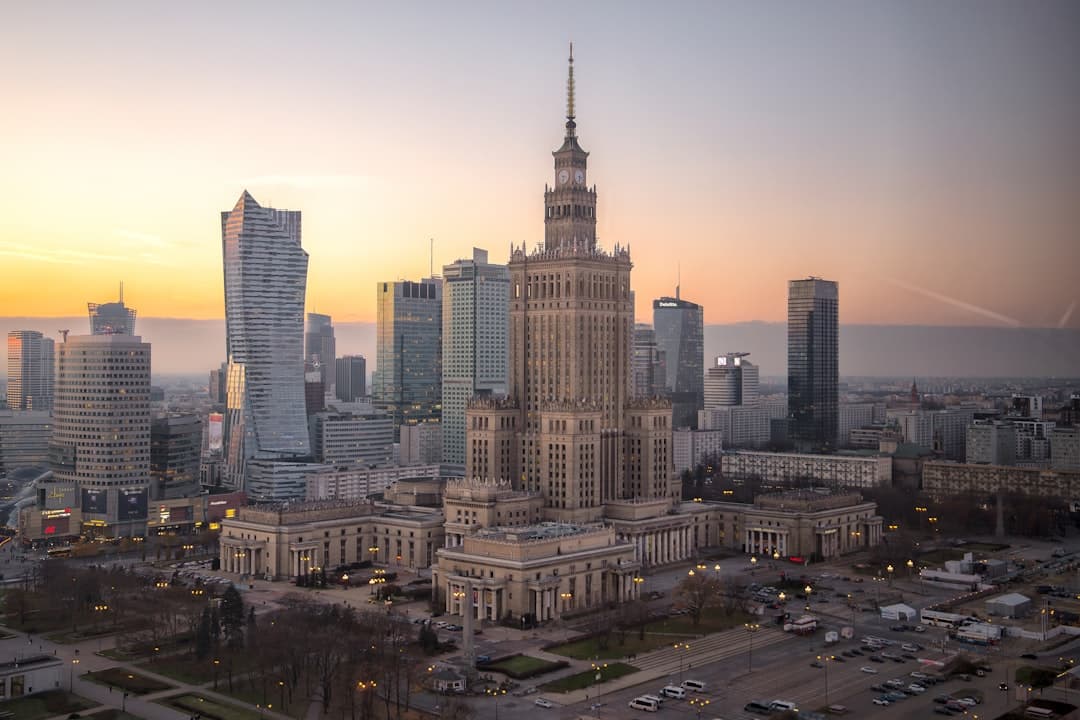
Palace of Culture and Science
A "gift" from Stalin that remains the most iconic (and controversial) landmark in the Warsaw skyline.
Polish History Museum (Citadel)
A massive new (2026) museum in the Warsaw Citadel featuring over 3,000 exhibits on ten centuries of history.
Vistula River Boulevards
A modern 2km promenade along the river with bars, bike paths, and the Copernicus Science Center.
Copernicus Science Center
An ultra-interactive science museum where visitors conduct experiments themselves.
Wilanów Palace
A Baroque "Polish Versailles" that survived WWII, featuring royal apartments and a massive park.
Praga District (Koneser)
A gritty-turned-trendy district on the right bank, home to the Polish Vodka Museum and street art.
Polish Vodka Museum
Located in a former 19th-century distillery, exploring the history and production of Poland's national spirit.
Norblin Factory Museum
A 2-hectare former factory site transformed into a luxury hub with a boutique cinema and organic market.
National Museum in Warsaw
Poland's largest art museum, featuring an incredible collection of Nubian frescoes and Polish master paintings.
Saxon Garden (Ogród Saski)
One of the oldest public parks in the world, featuring the Tomb of the Unknown Soldier.
University of Warsaw Library Garden
One of the largest rooftop gardens in Europe, offering views of the river and the city.
Poster Museum in Wilanów
The world's oldest poster museum, reopened in 2026 after a major renovation.
Multimedia Fountain Park
A park near the Vistula river featuring light, sound, and water shows on weekends.
Prudential Building
A historic skyscraper that was once the tallest in Poland and a symbol of Warsaw's 1930s modernity.
Chopin Museum
A modern, multimedia museum dedicated to the life and music of Frédéric Chopin.
Hala Koszyki
A restored 1900s market hall that is now the city's premier social and culinary meeting point.
Warsaw Gasworks Museum (Muzeum Gazownictwa)
A stunning 19th-century industrial site with circular red-brick gas holders (The "Colosseum of Wola").
Elektrownia Powiśle
A former power plant turned into a high-end shopping and dining complex near the river.
Things to Do in Warsaw - Top 25 Attractions
Planning a trip to Warsaw? Discover the 25 best things to do in Warsaw, Poland. From iconic landmarks and historic sites to local markets and outdoor adventures, our guide covers the top attractions and must-see sights that make Warsaw one of the most popular destinations in Poland.
Top things to see in Warsaw include Warsaw Old Town (Stare Miasto), Museum of Modern Art (MSN), Varso Tower (Observation Deck) and 2 more incredible sites. Each offers a unique glimpse into what makes Warsaw special for first-time visitors and seasoned travellers alike.
Whether you're visiting Warsaw for a weekend break or a longer stay, there are things to do for every type of traveller — cultural experiences, historic sightseeing, outdoor activities, and local food markets. Most visitors recommend spending at least 2–3 days to cover the main highlights of Warsaw.
Browse the full list of Warsaw attractions below, save your favourites, and build a personalised itinerary that matches your pace and interests. Our free Warsaw travel guide is updated regularly so you always have the most current recommendations.
About Warsaw
Warsaw blends reconstructed history with modern culture and nightlife. The city survived war and rose again with pride. Museums, parks, and food markets captivate visitors.
Frequently Asked Questions about Warsaw
What are the must-see attractions in Warsaw?
Warsaw offers numerous iconic attractions. Our curated list includes top-rated landmarks, museums, and hidden gems. Browse our recommendations above to plan your perfect sightseeing itinerary.
How do I skip the lines at popular attractions in Warsaw?
To avoid long queues, visit popular attractions early in the morning or book skip-the-line tickets online. Weekdays are generally less crowded than weekends.
Are there free attractions in Warsaw?
Yes, Warsaw has many free attractions including parks, historic neighborhoods, and sometimes free museum days. Check our tips section for money-saving advice.
Best Time to Visit
The best time to visit Warsaw is from May to September when the rebuilt Old Town shines and parks are green.
Explore More of Warsaw
More about Warsaw, Poland
Warsaw is one of Poland's most visited destinations, celebrated for History, Food, Parks, OldTown. The city draws travellers who come to experience its unique blend of history, culture, and modern life — a character shaped over centuries that few destinations in Europe can match. Whether you're planning a short city break or a longer trip, Warsaw has enough depth and variety to reward every type of visitor.
Our free Warsaw guide covers 25 attractions and points of interest, from iconic landmarks and historic sites to local markets, parks, and neighbourhood highlights. The city's top attractions span a broad range of interests — museum lovers will find world-class collections and gallery spaces, while those who prefer open-air exploration can discover historic quarters, waterfront districts, and green spaces that reveal Warsaw's everyday character. Most major sights are reachable on foot or by public transport, making it easy to combine several stops in a single day without needing to hire a car or join an organised tour.
The food scene in Warsaw is one of the city's enduring draws. Our guide features 25 handpicked restaurants and dining spots, ranging from street food stalls and neighbourhood eateries serving authentic Poland cuisine to mid-range bistros and higher-end dining with atmosphere and views. Eating well in Warsaw doesn't require a large budget — some of the most memorable meals come from simple local places that most visitors walk straight past. Taking the time to explore different areas and neighbourhoods quickly reveals how Warsaw's food culture reflects the broader personality of the city and its people.
Choosing where to stay shapes the entire experience of a Warsaw visit. Our guide includes 25 vetted accommodation options across the city's main districts, covering budget-friendly hostels, mid-range hotels, boutique properties, and apartments suited to longer stays or families. Staying centrally puts the main sights within easy walking distance, but choosing a quieter neighbourhood a little further out often delivers better value and a more authentic local feel. The right area depends on what matters most to you — whether that's access to key attractions, good public transport links, proximity to the best restaurants, or simply finding a part of Warsaw that fits your pace.
A few practical details worth knowing before you travel: the local language is Polish; the currency is PLN; the best time to visit is The best time to visit Warsaw is from May to September when the rebuilt Old Town shines and parks are green.. Getting around Warsaw is generally straightforward — most cities in Poland offer a reliable mix of metro, bus, and tram networks, with central areas compact enough to cover on foot. Local customs, tipping etiquette, safety advice, and money-saving strategies are all covered in the dedicated Warsaw travel tips section of this free guide, which is updated regularly to reflect current conditions on the ground.