Safety Score
9/10
Currency
JPY
Language
Japanese
Timezone
Asia/Tokyo
About Kyoto
Kyoto, the ancient capital of Japan, enchants visitors with its breathtaking blend of tradition and natural beauty, featuring over 1,600 temples, serene gardens, and iconic shrines like Kinkaku-ji and Fushimi Inari-taisha. Wander through the historic streets of Gion, where geishas gracefully move between tea houses, and savor exquisite kaiseki cuisine that reflects the seasons. With its rich cultural heritage and stunning landscapes, Kyoto offers a serene escape into Japan's past, making it an unforgettable destination for travelers seeking a deeper connection with Japanese culture.
Best Time to Visit
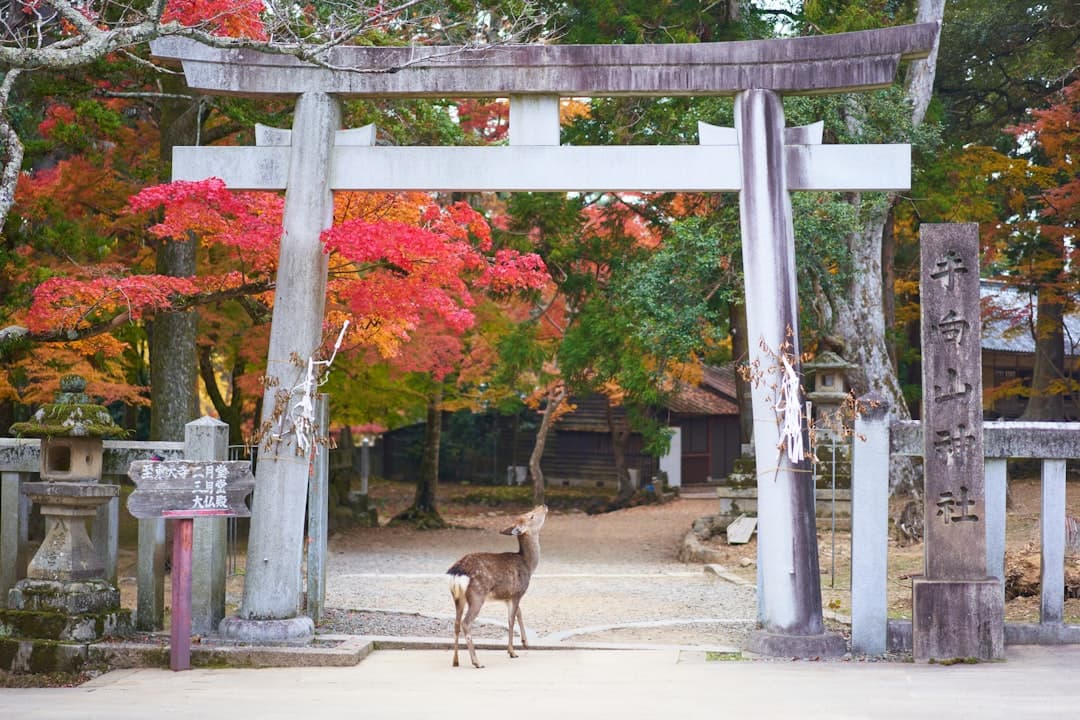
The best time to visit Kyoto is during the spring (March to May) and autumn (September to November) seasons. Spring is renowned for cherry blossoms, particularly in late March to early April, while autumn showcases stunning fall foliage from late October
Things to Do in Kyoto, Japan
Best Things to See & Do in Kyoto
Fushimi Inari Taisha
The ultimate Shinto shrine experience, famous for its thousands of vermilion torii gates winding up Mount Inari.
Kiyomizu-dera Temple
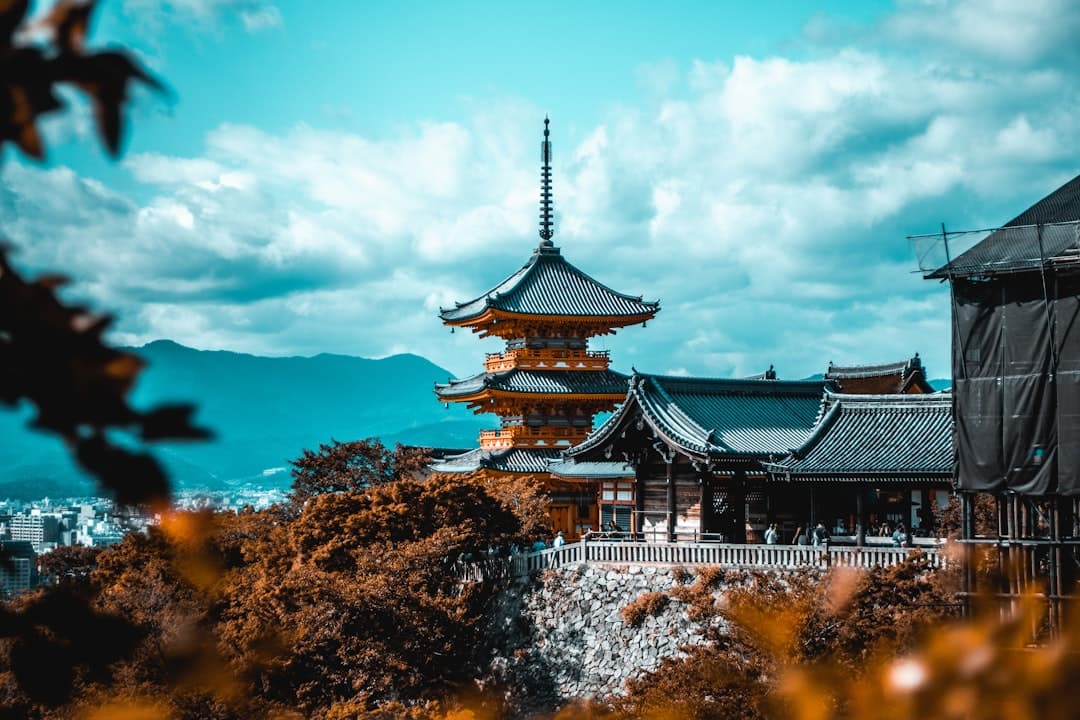
A UNESCO World Heritage site famous for its massive wooden stage that hangs 13 meters over the hillside without a single nail.
Arashiyama Bamboo Grove
A world-famous natural tunnel of towering green bamboo stalks that rustle in the wind.
Kinkaku-ji (Golden Pavilion)
A Zen temple whose top two floors are completely covered in brilliant gold leaf, reflecting perfectly in the Kyoko-chi pond.
Nijo Castle (Nijo-jo)
The former residence of the Shogun, famous for its "nightingale floors" that chirp when walked upon to warn of assassins.
Gion District
Kyoto’s most famous geisha district, filled with traditional wooden machiya merchant houses and exclusive teahouses.
Nishiki Market
Known as "Kyoto's Kitchen," this narrow shopping street is lined with over 100 stalls selling traditional foods and cookware.
Sanzen-in Temple
A rural temple in the village of Ohara, famous for its moss gardens and stone Jizo statues that seem to "smile."
Sannenzaka & Ninenzaka
Sloping pedestrian streets lined with traditional buildings, teahouses, and the world's most unique "Tatami" Starbucks.
Ginkaku-ji (Silver Pavilion)
The "Silver" counterpart to Kinkaku-ji, featuring a world-renowned sand garden and a sophisticated, understated Zen aesthetic.
Kyoto Railway Museum
One of Japan's premier train museums, featuring 53 retired locomotives from steam engines to Shinkansen "bullet" trains.
Philosopher’s Path
A stone path following a canal lined with hundreds of cherry trees, named for a professor who meditated here daily.
Ryoan-ji Temple
A Zen temple famous for its mysterious karesansui (dry landscape) rock garden consisting of 15 stones on white gravel.
teamLab Biovortex Kyoto
A 2026 immersive digital art installation where light, sound, and nature collide in an old Kyoto warehouse.
Kyoto Imperial Palace
The former residence of Japan's Imperial Family, set in a massive, walled park in the center of the city.
Togetsukyo Bridge
A 155-meter wooden bridge over the Katsura River, acting as the iconic gateway to the Arashiyama district.
Yasaka Shrine (Gion Shrine)
A 1,350-year-old shrine at the edge of Gion, famous for its hundreds of lanterns that light up at night.
Nanzen-ji Temple
A massive Zen temple complex featuring a towering Sanmon gate and a surprising red-brick European-style aqueduct.
Eikan-do Zenrin-ji
A temple famous for its "Mikaeri Amida" (looking-back Buddha) statue and its status as the best autumn color spot in Kyoto.
Kyoto Tower
A 131m modern landmark and the tallest structure in Kyoto, designed to look like a Japanese candle.
Kyoto Manga Museum
A museum housed in a former elementary school, featuring a library of 300,000 manga that visitors can actually sit and read.
Pontocho Alley
A narrow, atmospheric pedestrian lane running parallel to the Kamo River, packed with bars and restaurants.
To-ji Temple
Home to Japan's tallest five-story wooden pagoda, standing 55 meters high and visible from the Shinkansen.
Kurama to Kibune Hike
A 2-3 hour mountain hike connecting two rural villages, featuring the Kurama-dera temple and the river-floor dining of Kibune.
Kennin-ji Temple
The oldest Zen temple in Kyoto, located in the heart of Gion, famous for its "Twin Dragons" ceiling painting.
Things to Do in Kyoto - Top 25 Attractions
Planning a trip to Kyoto? Discover the 25 best things to do in Kyoto, Japan. From iconic landmarks and historic sites to local markets and outdoor adventures, our guide covers the top attractions and must-see sights that make Kyoto one of the most popular destinations in Japan.
Top things to see in Kyoto include Fushimi Inari Taisha, Kiyomizu-dera Temple, Arashiyama Bamboo Grove and 2 more incredible sites. Each offers a unique glimpse into what makes Kyoto special for first-time visitors and seasoned travellers alike.
Whether you're visiting Kyoto for a weekend break or a longer stay, there are things to do for every type of traveller — cultural experiences, historic sightseeing, outdoor activities, and local food markets. Most visitors recommend spending at least 2–3 days to cover the main highlights of Kyoto.
Browse the full list of Kyoto attractions below, save your favourites, and build a personalised itinerary that matches your pace and interests. Our free Kyoto travel guide is updated regularly so you always have the most current recommendations.
Frequently Asked Questions about Kyoto
What are the must-see attractions in Kyoto?
Kyoto offers numerous iconic attractions. Our curated list includes top-rated landmarks, museums, and hidden gems. Browse our recommendations above to plan your perfect sightseeing itinerary.
How do I skip the lines at popular attractions in Kyoto?
To avoid long queues, visit popular attractions early in the morning or book skip-the-line tickets online. Weekdays are generally less crowded than weekends.
Are there free attractions in Kyoto?
Yes, Kyoto has many free attractions including parks, historic neighborhoods, and sometimes free museum days. Check our tips section for money-saving advice.
Explore More of Kyoto
About Kyoto, Japan
Kyoto is one of Japan's most visited destinations, celebrated for Historic temples, traditional tea ceremonies, geisha culture, cherry blossoms. The city draws travellers who come to experience its unique blend of history, culture, and modern life — a character shaped over centuries that few destinations in Asia can match. Whether you're planning a short city break or a longer trip, Kyoto has enough depth and variety to reward every type of visitor.
Our free Kyoto guide covers 25 attractions and points of interest, from iconic landmarks and historic sites to local markets, parks, and neighbourhood highlights. The city's top attractions span a broad range of interests — museum lovers will find world-class collections and gallery spaces, while those who prefer open-air exploration can discover historic quarters, waterfront districts, and green spaces that reveal Kyoto's everyday character. Most major sights are reachable on foot or by public transport, making it easy to combine several stops in a single day without needing to hire a car or join an organised tour.
The food scene in Kyoto is one of the city's enduring draws. Our guide features 25 handpicked restaurants and dining spots, ranging from street food stalls and neighbourhood eateries serving authentic Japan cuisine to mid-range bistros and higher-end dining with atmosphere and views. Eating well in Kyoto doesn't require a large budget — some of the most memorable meals come from simple local places that most visitors walk straight past. Taking the time to explore different areas and neighbourhoods quickly reveals how Kyoto's food culture reflects the broader personality of the city and its people.
Choosing where to stay shapes the entire experience of a Kyoto visit. Our guide includes 25 vetted accommodation options across the city's main districts, covering budget-friendly hostels, mid-range hotels, boutique properties, and apartments suited to longer stays or families. Staying centrally puts the main sights within easy walking distance, but choosing a quieter neighbourhood a little further out often delivers better value and a more authentic local feel. The right area depends on what matters most to you — whether that's access to key attractions, good public transport links, proximity to the best restaurants, or simply finding a part of Kyoto that fits your pace.
A few practical details worth knowing before you travel: the local language is Japanese; the currency is JPY; the best time to visit is The best time to visit Kyoto is during the spring (March to May) and autumn (September to November) seasons. Spring is renowned for cherry blossoms, particularly in late March to early April, while autumn showcases stunning fall foliage from late October . Getting around Kyoto is generally straightforward — most cities in Japan offer a reliable mix of metro, bus, and tram networks, with central areas compact enough to cover on foot. Local customs, tipping etiquette, safety advice, and money-saving strategies are all covered in the dedicated Kyoto travel tips section of this free guide, which is updated regularly to reflect current conditions on the ground.