Safety Score
9/10
Currency
JPY
Language
Japanese
Timezone
Asia/Tokyo
About Kyoto
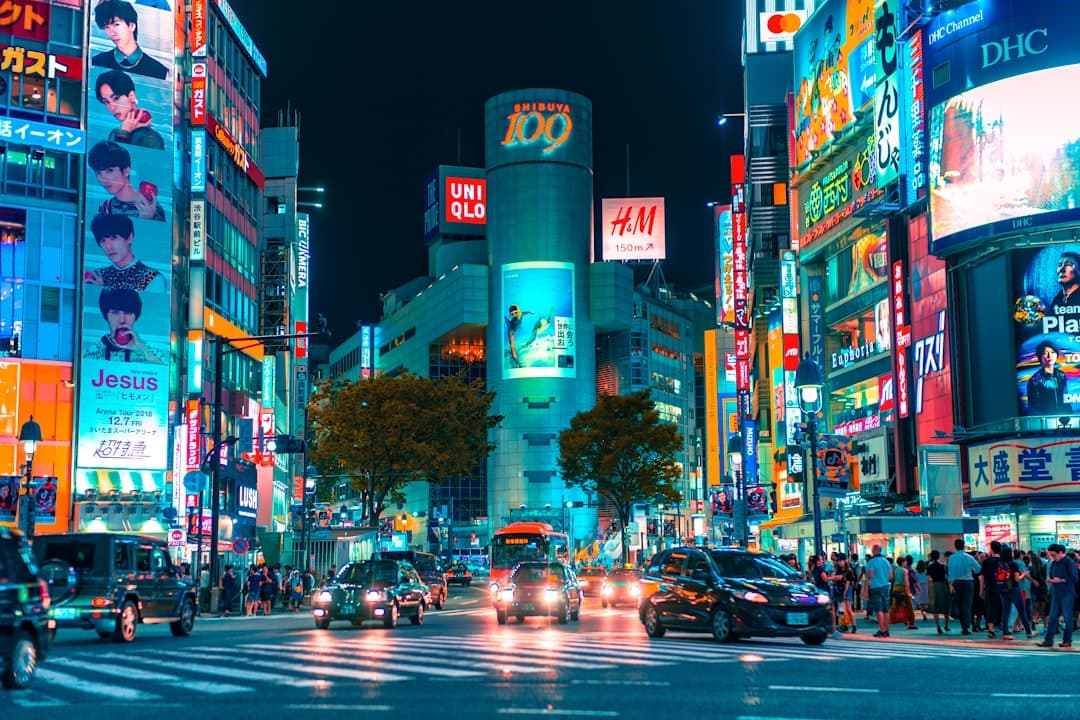
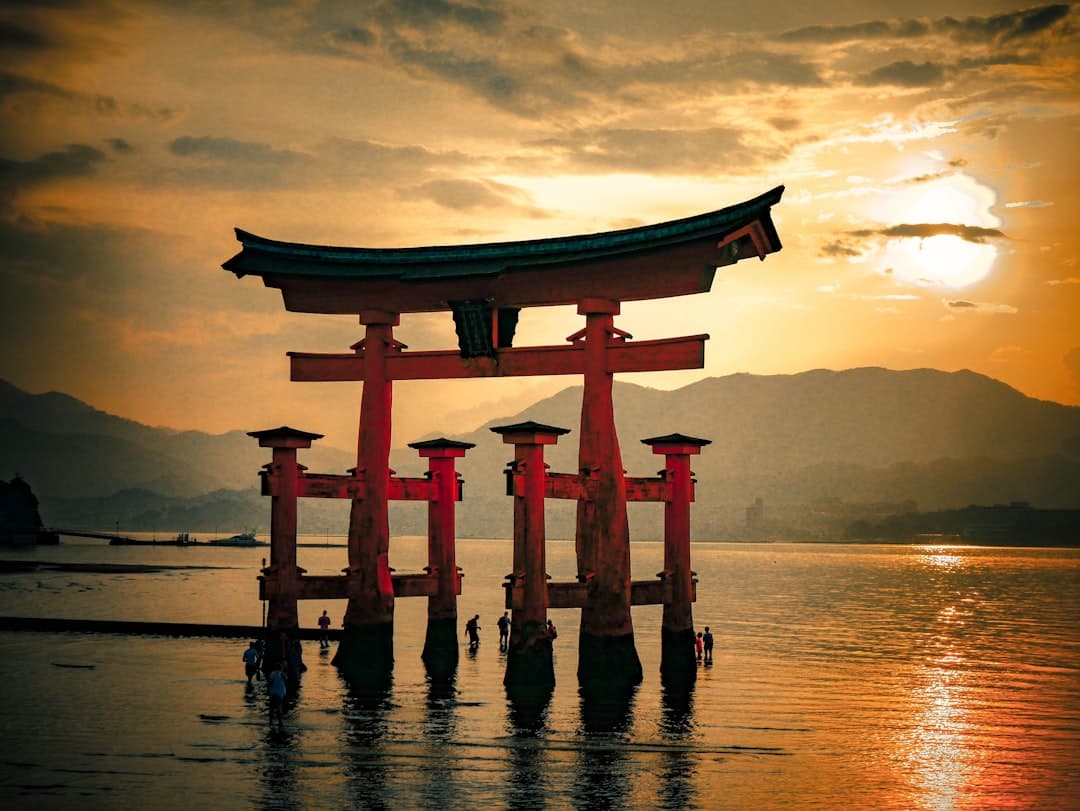
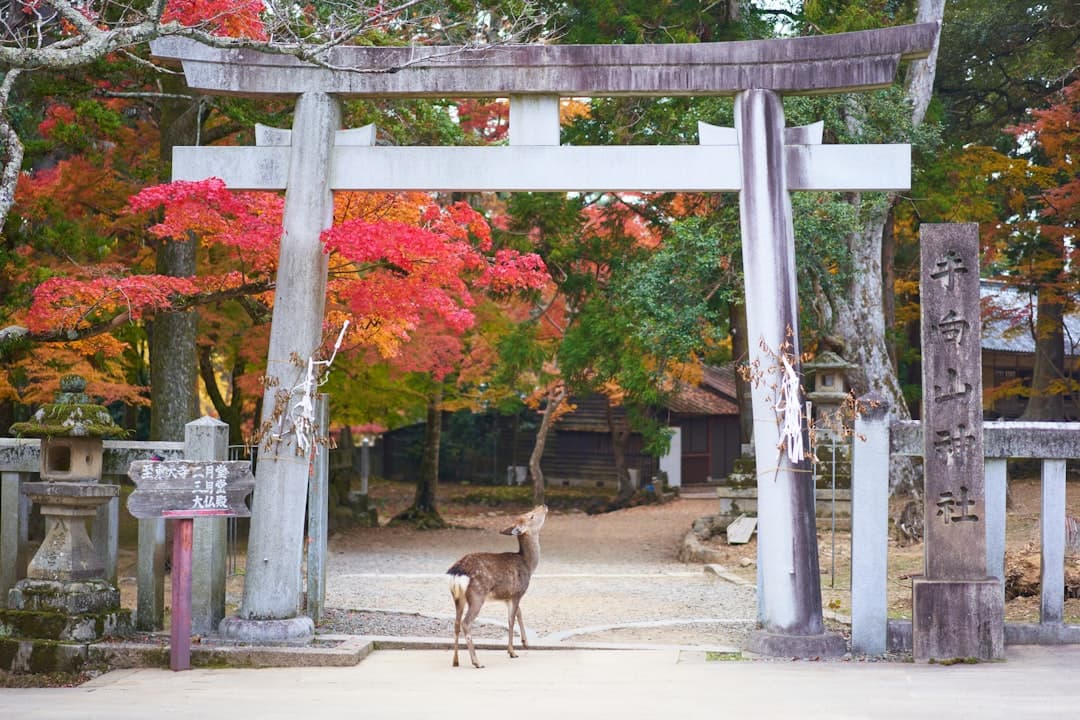
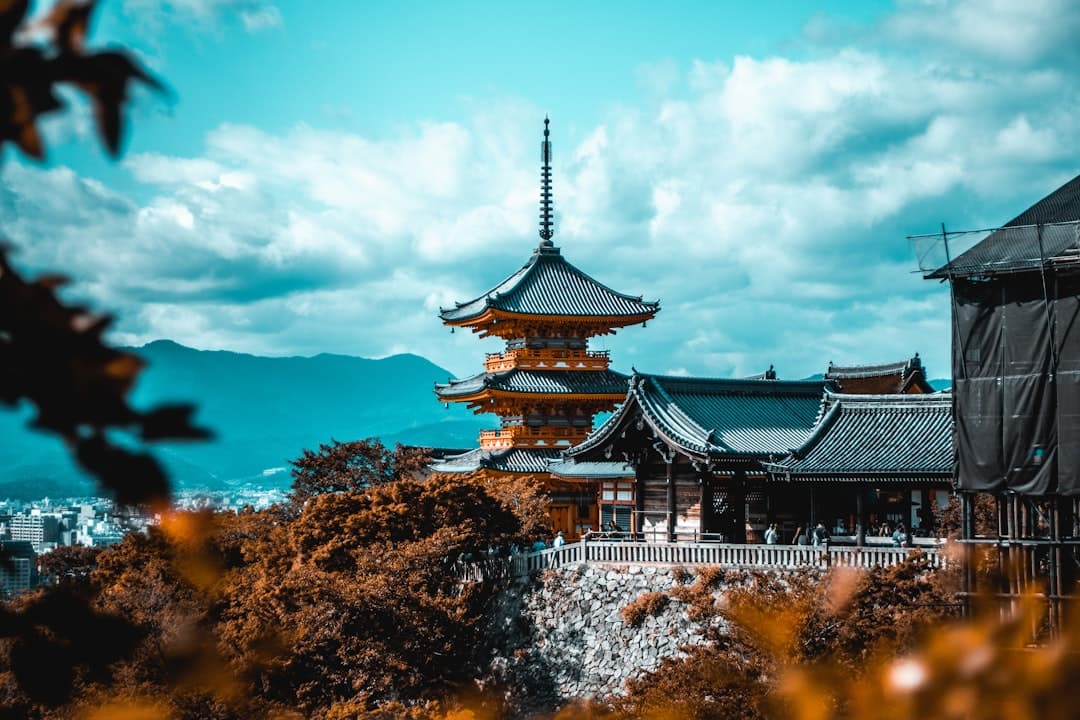
Kyoto, the ancient capital of Japan, enchants visitors with its breathtaking blend of tradition and natural beauty, featuring over 1,600 temples, serene gardens, and iconic shrines like Kinkaku-ji and Fushimi Inari-taisha. Wander through the historic streets of Gion, where geishas gracefully move between tea houses, and savor exquisite kaiseki cuisine that reflects the seasons. With its rich cultural heritage and stunning landscapes, Kyoto offers a serene escape into Japan's past, making it an unforgettable destination for travelers seeking a deeper connection with Japanese culture.
Best Time to Visit
The best time to visit Kyoto is during the spring (March to May) and autumn (September to November) seasons. Spring is renowned for cherry blossoms, particularly in late March to early April, while autumn showcases stunning fall foliage from late October
Best Restaurants in Kyoto, Japan
Where to Eat in Kyoto - Dining Guide
Hyotei
Hyotei Tamago (Soft-boiled Egg)
A 450-year-old Michelin 3-star icon set in a historic tea house near Nanzen-ji Temple.
- +Unbeatable history
- +Serene garden views
- +World-class dashi
- -Very formal
- -Expensive
- -Challenging for picky eaters
Kikunoi Honten
Seasonal Takikomi Gohan
The flagship of Chef Yoshihiro Murata, offering a 3-star Michelin experience that defines Kyoto "Omotenashi."
- +Elegant private rooms
- +Museum-quality decor
- +Masterful service
- -Very hard to book
- -Strict dress code
Kiyama
Freshly Shaved Katsuobushi
A 1-star Michelin favorite known for its focus on pure well water and the ritual of shaving bonito flakes.
- +Interactive counter experience
- +Exceptional dashi
- +Modern vibe
- -Counter seats fill fast
- -Service is brisk
Monk
Wood-fired Pizza with seasonal herbs
An intimate 7-seat counter on the Philosopher’s Path, blending Zen philosophy with wood-fired seasonal cooking.
- +Romantic location
- +Unique fusion concept
- +Chef interaction
- -Extremely hard to book
- -Fixed menu only
Cenci
Handmade Pasta with local herbs
A Michelin 1-star masterpiece that fuses Italian structure with the hyper-seasonal sensitivity of Kyoto.
- +Architectural interior
- +Creative flavor profiles
- +Elite wine list
- -Suburban location
- -Long dining time
Gion Sasaki
Creative Counter Omakase
A lively 3-star Michelin counter where the "performance" of the chefs is as vital as the innovative food.
- +High-energy atmosphere
- +Innovative techniques
- +Top-tier status
- -Nearly impossible to book
- -Very loud
Mizai
Tea Ceremony Style Dinner
A legendary 3-star Michelin spot in Maruyama Park, strictly adhering to the rituals of tea ceremony cuisine.
- +Soulful experience
- +Stunning park setting
- +Pinnacle of craft
- -No photos allowed
- -Strict arrival time
Lurra°
Wood-fired Nordic-Japanese dishes
A trendy, world-class fusion spot blending Nordic fermentation with Japanese ingredients and wood-fire.
- +Cool/Trendy crowd
- +Innovative pairings
- +Great aesthetic
- -Set menu only
- -Pricey drinks
Tempura Endo Yasaka
Corn Tempura
The most famous tempura house in Kyoto, set in a beautiful former geisha dwelling in Gion.
- +Historic setting
- +Light/Crispy batter
- +Extensive wine list
- -Can feel touristy
- -Higher price point
Izuu
Saba-sushi (Mackerel Sushi)
Established in 1781, this is the definitive place to try traditional pressed Kyoto-style sushi.
- +Historic heritage
- +Authentic flavors
- +Iconic packaging
- -Unique sour taste
- -Not standard nigiri
Shigetsu
Sesame Tofu
A Michelin-selected temple restaurant inside Tenryu-ji, serving authentic Zen Buddhist vegetarian cuisine.
- +Beautiful temple views
- +Peaceful vibe
- +Healthy/Pure food
- -Lunch only
- -Floor seating only
Mishima-tei
Wagyu Sukiyaki
A century-old sukiyaki specialist located inside a traditional wooden butcher shop.
- +Elite Wagyu quality
- +Historic wooden rooms
- +Expert service
- -Smoky atmosphere
- -Expensive dinner prices
Guilo Guilo Hitoshina
Creative 8-course Tasting Menu
The restaurant that made kaiseki "cool." Creative, high-quality, and incredibly affordable in a funky setting.
- +Amazing value
- +Fun/Young vibe
- +Creative dishes
- -Loud and cramped
- -Limited English
Kitcho Arashiyama
Abalone and Uni
Perhaps the most expensive and luxurious dining experience in Japan, set in a breathtaking villa.
- +Peak luxury
- +Private river views
- +Masterful plating
- -Extremely expensive
- -Highly formal
Menami
Daily Obanzai Sampler
A beloved local spot specializing in "Obanzai" (Kyoto home-style cooking) using seasonal market produce.
- +Authentic local vibe
- +Great variety
- +Reasonable prices
- -Always busy
- -Hard to book via phone
Sushi Wakon
Aburi Toro
Elite Edomae sushi in the stunning surroundings of the Four Seasons, overlooking an 800-year-old pond.
- +Luxury hotel service
- +Fresh Toyosu fish
- +Stunning view
- -High price point
- -International vibe
Tousuiro Gion
Oboro-tofu (Soft Tofu)
A beautiful tofu specialist in a 130-year-old merchant house; offers vegan and gluten-free kaiseki.
- +Healthy/Light
- +Beautiful interior
- +Vegan friendly
- -Quiet atmosphere
- -Subtle flavors
Omen Ginkaku-ji
Omen Udon with seasonal vegetables
Famous for its thick, chewy udon noodles served with a massive platter of seasonal Kyoto vegetables and spices.
- +Great for families
- +Fresh ingredients
- +Casual but refined
- -Often has long lines
- -Simple menu
Velrosier
Foie Gras Monaka
A Michelin 1-star that deconstructs and reassembles Chinese classics with French and Japanese flair.
- +Visually stunning
- +Unique concept
- +Modern setting
- -Mall/Hotel location
- -Experimental
Kane-yo
Kinshi-don (Eel with Omelet)
A historic unagi house since the Meiji era, famous for its massive omelet draped over grilled eel.
- +Iconic dish
- +Rustic atmosphere
- +Historic building
- -Unagi only focus
- -Old-fashioned service
Hafuu Honten
Wagyu Beef Cutlet Sandwich
A meat-lover's sanctuary specializing in top-grade wagyu steaks and their famous take-out steak sandwiches.
- +Best beef cutlet
- +Casual counter
- +Great value
- -Hidden location
- -Lacks "traditional" vibe
Ajiro Honten
Buddhist Tasting Menu
1-star Michelin Buddhist cuisine that is so intricate it often mimics the texture and taste of meat and fish.
- +Highly technical
- +Spiritual atmosphere
- +Quiet and private
- -Far from city center
- -Lunch/Early dinner only
Honke Owariya
Hourai Soba
The oldest restaurant in Kyoto (est. 1465), originally a confectionery and now a legendary soba house.
- +Incredible history
- +Traditional garden
- +Quick service
- -Lunch only
- -Always a queue
Nakagon
Grilled Seasonal Fish
A high-end but approachable seafood kappo where you can watch the chef prepare fresh fish over charcoal.
- +Fresh market seafood
- +Great sake list
- +Modern interior
- -Pricey for a-la-carte
- -Limited English
Pontocho Misoguigawa
French Kaiseki
Elegant "French Kaiseki" served in a traditional wooden townhouse overlooking the Kamo River.
- +Romantic river views
- +Unique fusion
- +Private rooms
- -Very formal
- -Premium pricing
Business owner? Claim your listing or partner with us
Best Restaurants in Kyoto - Where to Eat Guide
Discover the best restaurants in Kyoto with our guide to the top 25 dining spots in Kyoto, Japan. Whether you're after authentic local cuisine, international flavours, street food, or fine dining, Kyoto's food scene caters to every palate and budget.
Top-rated restaurants in Kyoto include Hyotei, Kikunoi Honten, Kiyama, each known for standout dishes and memorable dining experiences that capture the flavours of Japan.
The best restaurants in Kyoto span everything from neighbourhood eateries and rooftop bars to upscale tasting menus. Eating well in Kyoto is part of the experience — take your time exploring different areas and cuisine styles rather than sticking to tourist hotspots.
Use our Kyoto restaurant guide below to filter by cuisine type, price range, and location. Whether you're searching for the best Japan food or international options, you'll find the right place to eat in Kyoto for any occasion.
Frequently Asked Questions about Kyoto
What food is Kyoto famous for?
Kyoto is known for its unique culinary scene. Explore local specialties and regional dishes at our recommended restaurants above. From street food to fine dining, there's something for every taste.
Do I need reservations at restaurants in Kyoto?
For popular restaurants, especially for dinner, reservations are recommended. Many restaurants now accept online bookings. Casual spots and lunch service typically don't require reservations.
What is the average meal cost in Kyoto?
Meal costs vary widely in Kyoto. Budget options range from affordable street food to mid-range restaurants. Check our restaurant recommendations for options at different price points.
Explore More of Kyoto
About Kyoto, Japan
Kyoto is one of Japan's most visited destinations, celebrated for Historic temples, traditional tea ceremonies, geisha culture, cherry blossoms. The city draws travellers who come to experience its unique blend of history, culture, and modern life — a character shaped over centuries that few destinations in Asia can match. Whether you're planning a short city break or a longer trip, Kyoto has enough depth and variety to reward every type of visitor.
Our free Kyoto guide covers 25 attractions and points of interest, from iconic landmarks and historic sites to local markets, parks, and neighbourhood highlights. The city's top attractions span a broad range of interests — museum lovers will find world-class collections and gallery spaces, while those who prefer open-air exploration can discover historic quarters, waterfront districts, and green spaces that reveal Kyoto's everyday character. Most major sights are reachable on foot or by public transport, making it easy to combine several stops in a single day without needing to hire a car or join an organised tour.
The food scene in Kyoto is one of the city's enduring draws. Our guide features 25 handpicked restaurants and dining spots, ranging from street food stalls and neighbourhood eateries serving authentic Japan cuisine to mid-range bistros and higher-end dining with atmosphere and views. Eating well in Kyoto doesn't require a large budget — some of the most memorable meals come from simple local places that most visitors walk straight past. Taking the time to explore different areas and neighbourhoods quickly reveals how Kyoto's food culture reflects the broader personality of the city and its people.
Choosing where to stay shapes the entire experience of a Kyoto visit. Our guide includes 25 vetted accommodation options across the city's main districts, covering budget-friendly hostels, mid-range hotels, boutique properties, and apartments suited to longer stays or families. Staying centrally puts the main sights within easy walking distance, but choosing a quieter neighbourhood a little further out often delivers better value and a more authentic local feel. The right area depends on what matters most to you — whether that's access to key attractions, good public transport links, proximity to the best restaurants, or simply finding a part of Kyoto that fits your pace.
A few practical details worth knowing before you travel: the local language is Japanese; the currency is JPY; the best time to visit is The best time to visit Kyoto is during the spring (March to May) and autumn (September to November) seasons. Spring is renowned for cherry blossoms, particularly in late March to early April, while autumn showcases stunning fall foliage from late October . Getting around Kyoto is generally straightforward — most cities in Japan offer a reliable mix of metro, bus, and tram networks, with central areas compact enough to cover on foot. Local customs, tipping etiquette, safety advice, and money-saving strategies are all covered in the dedicated Kyoto travel tips section of this free guide, which is updated regularly to reflect current conditions on the ground.