Safety Score
8.3/10
Currency
NOK
Language
Norwegian
Timezone
UTC+1
Things to Do in Oslo, Norway
Best Things to See & Do in Oslo
Oslo Opera House
An architectural marvel with a sloped white marble roof designed for walking, offering views of the fjord.
The Munch Museum (MUNCH)
A 13-story tower dedicated to Edvard Munch, housing multiple versions of "The Scream."
Vigeland Sculpture Park
The world's largest sculpture park made by a single artist, featuring 212 bronze and granite figures.
National Museum of Norway
The largest art museum in the Nordic countries, combining the collections of several major galleries.
The Fram Museum
A museum housing the world's strongest wooden ship, the Fram, used in polar expeditions.
Oslofjord Electric Cruise
A silent, zero-emission cruise through the inner islands and narrow sounds of the Oslofjord.
Akershus Fortress
A medieval castle and fortress built in the 13th century to protect and provide a royal residence.
The Royal Palace (Slottet)
The official residence of the Norwegian monarch, surrounded by the beautiful Palace Park.
Holmenkollen Ski Museum & Tower
An iconic ski jump offering panoramic views and a museum documenting 4,000 years of skiing history.
Karl Johans gate
Oslo's main street, stretching from the Central Station to the Royal Palace, lined with shops and cafes.
Norsk Folkemuseum
An open-air museum featuring 160 historic buildings, including a 13th-century Stave Church.
Aker Brygge & Tjuvholmen
A trendy waterfront district known for its modern architecture, high-end dining, and the Astrup Fearnley Museum.
Floating Saunas (KOK/Oslo Fjord Sauna)
A collection of wood-fired floating saunas in the harbor where you can jump directly into the fjord.
Astrup Fearnley Museum
A private contemporary art museum designed by Renzo Piano, located at the tip of Tjuvholmen.
Nobel Peace Center
A museum dedicated to the Nobel Peace Prize, its laureates, and their work for peace.
Paradox Museum Oslo
A fun, interactive museum filled with optical illusions and "paradoxical" exhibits.
Oslo City Hall (Rådhuset)
A monumental brick building famous for its murals and for hosting the Nobel Peace Prize ceremony.
Damstredet & Telthusbakken
Two small, charming streets lined with well-preserved 18th-century colorful wooden houses.
Mathallen Food Hall
A large indoor food market in the Vulkan district featuring local and international gourmet products.
Nordmarka Wilderness
A massive forest area surrounding Oslo, accessible by metro, offering hundreds of miles of trails.
Grünerløkka
The city's trendiest neighborhood, known for street art, independent boutiques, and riverside parks.
Ekebergparken Sculpture Park
A 63-acre wooded park featuring works by Dali, Rodin, and Abramović, overlooking the city.
Kon-Tiki Museum
A museum dedicated to Thor Heyerdahl’s 1947 expedition across the Pacific on a balsa wood raft.
Oslo Cathedral (Domkirke)
A 17th-century Baroque church featuring intricate stained glass and a vibrant ceiling painting.
Salt Art & Music
A nomadic art project featuring large wooden structures (inspired by fish racks), saunas, and concert stages.
Things to Do in Oslo - Top 25 Attractions
Planning a trip to Oslo? Discover the 25 best things to do in Oslo, Norway. From iconic landmarks and historic sites to local markets and outdoor adventures, our guide covers the top attractions and must-see sights that make Oslo one of the most popular destinations in Norway.
Top things to see in Oslo include Oslo Opera House, The Munch Museum (MUNCH), Vigeland Sculpture Park and 2 more incredible sites. Each offers a unique glimpse into what makes Oslo special for first-time visitors and seasoned travellers alike.
Whether you're visiting Oslo for a weekend break or a longer stay, there are things to do for every type of traveller — cultural experiences, historic sightseeing, outdoor activities, and local food markets. Most visitors recommend spending at least 2–3 days to cover the main highlights of Oslo.
Browse the full list of Oslo attractions below, save your favourites, and build a personalised itinerary that matches your pace and interests. Our free Oslo travel guide is updated regularly so you always have the most current recommendations.
About Oslo
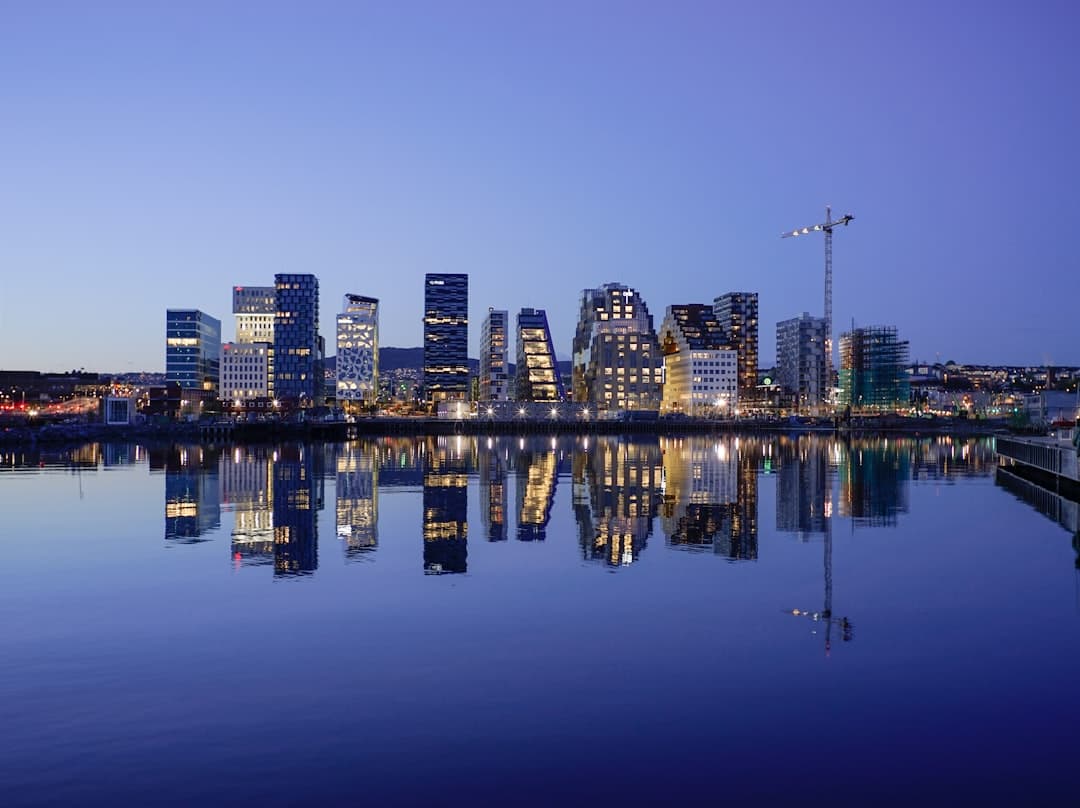
Oslo is a gateway to fjords and Nordic nature, with modern architecture and museums. The city offers a polished, green capital experience. Sculptures, parks, and waterfront promenades await.
Frequently Asked Questions about Oslo
What are the must-see attractions in Oslo?
Oslo offers numerous iconic attractions. Our curated list includes top-rated landmarks, museums, and hidden gems. Browse our recommendations above to plan your perfect sightseeing itinerary.
How do I skip the lines at popular attractions in Oslo?
To avoid long queues, visit popular attractions early in the morning or book skip-the-line tickets online. Weekdays are generally less crowded than weekends.
Are there free attractions in Oslo?
Yes, Oslo has many free attractions including parks, historic neighborhoods, and sometimes free museum days. Check our tips section for money-saving advice.
Best Time to Visit
The best time to visit Oslo is from June to August when the fjords are reachable and the weather is mild.
Explore More of Oslo
More about Oslo, Norway
Oslo is one of Norway's most visited destinations, celebrated for Fjords, Museums, Nature, Design. The city draws travellers who come to experience its unique blend of history, culture, and modern life — a character shaped over centuries that few destinations in Europe can match. Whether you're planning a short city break or a longer trip, Oslo has enough depth and variety to reward every type of visitor.
Our free Oslo guide covers 25 attractions and points of interest, from iconic landmarks and historic sites to local markets, parks, and neighbourhood highlights. The city's top attractions span a broad range of interests — museum lovers will find world-class collections and gallery spaces, while those who prefer open-air exploration can discover historic quarters, waterfront districts, and green spaces that reveal Oslo's everyday character. Most major sights are reachable on foot or by public transport, making it easy to combine several stops in a single day without needing to hire a car or join an organised tour.
The food scene in Oslo is one of the city's enduring draws. Our guide features 25 handpicked restaurants and dining spots, ranging from street food stalls and neighbourhood eateries serving authentic Norway cuisine to mid-range bistros and higher-end dining with atmosphere and views. Eating well in Oslo doesn't require a large budget — some of the most memorable meals come from simple local places that most visitors walk straight past. Taking the time to explore different areas and neighbourhoods quickly reveals how Oslo's food culture reflects the broader personality of the city and its people.
Choosing where to stay shapes the entire experience of a Oslo visit. Our guide includes 25 vetted accommodation options across the city's main districts, covering budget-friendly hostels, mid-range hotels, boutique properties, and apartments suited to longer stays or families. Staying centrally puts the main sights within easy walking distance, but choosing a quieter neighbourhood a little further out often delivers better value and a more authentic local feel. The right area depends on what matters most to you — whether that's access to key attractions, good public transport links, proximity to the best restaurants, or simply finding a part of Oslo that fits your pace.
A few practical details worth knowing before you travel: the local language is Norwegian; the currency is NOK; the best time to visit is The best time to visit Oslo is from June to August when the fjords are reachable and the weather is mild.. Getting around Oslo is generally straightforward — most cities in Norway offer a reliable mix of metro, bus, and tram networks, with central areas compact enough to cover on foot. Local customs, tipping etiquette, safety advice, and money-saving strategies are all covered in the dedicated Oslo travel tips section of this free guide, which is updated regularly to reflect current conditions on the ground.