Safety Score
8.3/10
Currency
NOK
Language
Norwegian
Timezone
UTC+1
Oslo Travel Tips - Norway Visitor Guide
Insider Tips for Visiting Oslo
Insider Tips
16 local insights to help you travel smarter
Take the "Vy" regional train from Oslo Airport (OSL) to Central Station for 124 NOK; it takes the same amount of time as the "Flytoget" express but costs nearly half the price.
Use the "Oslo Bysykkel" app to unlock city bikes; the network is extensive and is the most efficient way to travel between the Opera House and Aker Brygge.
Take the B1 ferry from Aker Brygge using a standard Ruter ticket to explore the islands of the Oslo Fjord like Hovedøya and Gressholmen for the price of a bus fare.
Avoid tipping heavily as service is included in the price; rounding up to the nearest 10 or 50 NOK is appreciated but never mandatory.
Eat at "Mathallen Oslo" in the Vulkan district for a high-quality range of Norwegian seafood and artisanal cheeses in a modern food hall setting.
Try "Brunost" (brown cheese) on a heart-shaped waffle; the caramelized goat's milk taste is a unique Norwegian staple you won't find elsewhere.
Understand that the "Allemannsretten" (Right to Roam) means you can hike or camp almost anywhere in the surrounding "Nordmarka" forest for free.
Visit the "Oslo Opera House" and walk on its roof; it was designed specifically for the public to climb and offers a 360-degree view of the fjord.
Avoid taxis unless absolutely necessary; they are among the most expensive in the world—opt for the "T-Bane" (Metro) which runs until late at night.
Download the "Too Good To Go" app to grab surplus food from high-end Oslo bakeries and hotels at a fraction of the original price in the evening.
Buy an "Oslo Pass" if you plan to visit the Fram Museum and Kon-Tiki; it includes all public transport and entry to over 30 museums.
Carry a reusable water bottle and fill it from any tap; Norwegian tap water is sourced from clean mountain lakes and is of better quality than bottled water.
Visit the "Vigeland Park" (Frogner Park) to see over 200 bronze and granite sculptures; it is free to enter and open 24 hours a day.
Avoid eating in Aker Brygge if you are on a budget; the waterfront views come with a "tourist premium" price tag—walk two blocks inland for better value.
Look for "Engangsgrill" (disposable grills) in supermarkets during summer; it is a local tradition to grill sausages in public parks like Birkelunden.
Take the Number 1 Frognerseteren Metro line to the end of the track for a stunning panoramic view of the city and easy access to forest hiking trails.
Oslo Travel Tips - Essential Visitor Information
Get the most out of your Oslo trip with essential travel tips from people who know the city well. From local customs and getting around, to budgeting advice and safety — these insider tips help you visit Oslo like a local.
Understanding how Oslo works — its transport, tipping culture, local etiquette, and hidden costs — can make the difference between a stressful trip and a seamless one. These tips are based on real traveller experiences in Norway.
The tips below cover everything you need to know before and during your Oslo visit, organised so you can find relevant advice quickly whether you're still planning or already there.
About Oslo
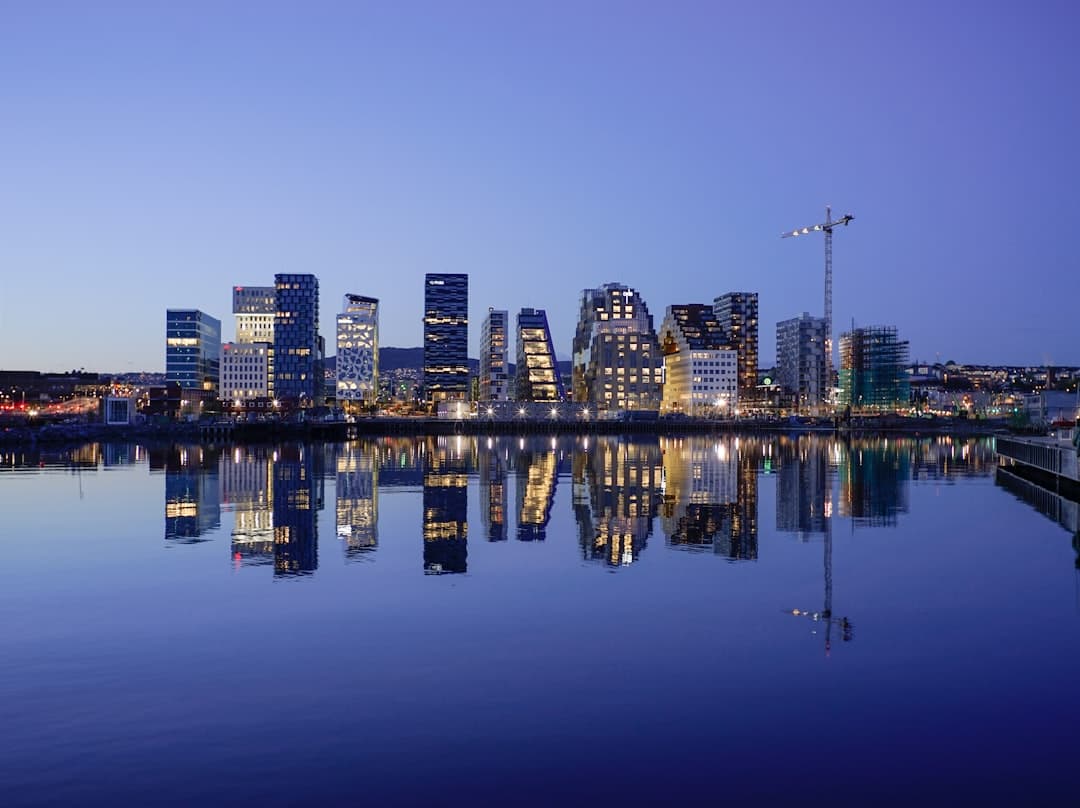
Oslo is a gateway to fjords and Nordic nature, with modern architecture and museums. The city offers a polished, green capital experience. Sculptures, parks, and waterfront promenades await.
Frequently Asked Questions about Oslo
What should I know before visiting Oslo?
Key tips include understanding local customs, knowing the currency, and being aware of any visa requirements. Our comprehensive tips above cover everything you need for a smooth trip.
What's the tipping culture in Oslo?
Tipping customs vary by location and service type. Check our detailed tips above for specific guidance on tipping at restaurants, hotels, and for tour services in Oslo.
Is English widely spoken in Oslo?
English proficiency varies. In tourist areas, you'll generally find English speakers, but learning a few local phrases is always appreciated and helpful.
Best Time to Visit
The best time to visit Oslo is from June to August when the fjords are reachable and the weather is mild.
Explore More of Oslo
More about Oslo, Norway
Oslo is one of Norway's most visited destinations, celebrated for Fjords, Museums, Nature, Design. The city draws travellers who come to experience its unique blend of history, culture, and modern life — a character shaped over centuries that few destinations in Europe can match. Whether you're planning a short city break or a longer trip, Oslo has enough depth and variety to reward every type of visitor.
Our free Oslo guide covers 25 attractions and points of interest, from iconic landmarks and historic sites to local markets, parks, and neighbourhood highlights. The city's top attractions span a broad range of interests — museum lovers will find world-class collections and gallery spaces, while those who prefer open-air exploration can discover historic quarters, waterfront districts, and green spaces that reveal Oslo's everyday character. Most major sights are reachable on foot or by public transport, making it easy to combine several stops in a single day without needing to hire a car or join an organised tour.
The food scene in Oslo is one of the city's enduring draws. Our guide features 25 handpicked restaurants and dining spots, ranging from street food stalls and neighbourhood eateries serving authentic Norway cuisine to mid-range bistros and higher-end dining with atmosphere and views. Eating well in Oslo doesn't require a large budget — some of the most memorable meals come from simple local places that most visitors walk straight past. Taking the time to explore different areas and neighbourhoods quickly reveals how Oslo's food culture reflects the broader personality of the city and its people.
Choosing where to stay shapes the entire experience of a Oslo visit. Our guide includes 25 vetted accommodation options across the city's main districts, covering budget-friendly hostels, mid-range hotels, boutique properties, and apartments suited to longer stays or families. Staying centrally puts the main sights within easy walking distance, but choosing a quieter neighbourhood a little further out often delivers better value and a more authentic local feel. The right area depends on what matters most to you — whether that's access to key attractions, good public transport links, proximity to the best restaurants, or simply finding a part of Oslo that fits your pace.
A few practical details worth knowing before you travel: the local language is Norwegian; the currency is NOK; the best time to visit is The best time to visit Oslo is from June to August when the fjords are reachable and the weather is mild.. Getting around Oslo is generally straightforward — most cities in Norway offer a reliable mix of metro, bus, and tram networks, with central areas compact enough to cover on foot. Local customs, tipping etiquette, safety advice, and money-saving strategies are all covered in the dedicated Oslo travel tips section of this free guide, which is updated regularly to reflect current conditions on the ground.