Safety Score
8/10
Currency
JPY
Language
Japanese
Timezone
Asia/Tokyo
About Hiroshima
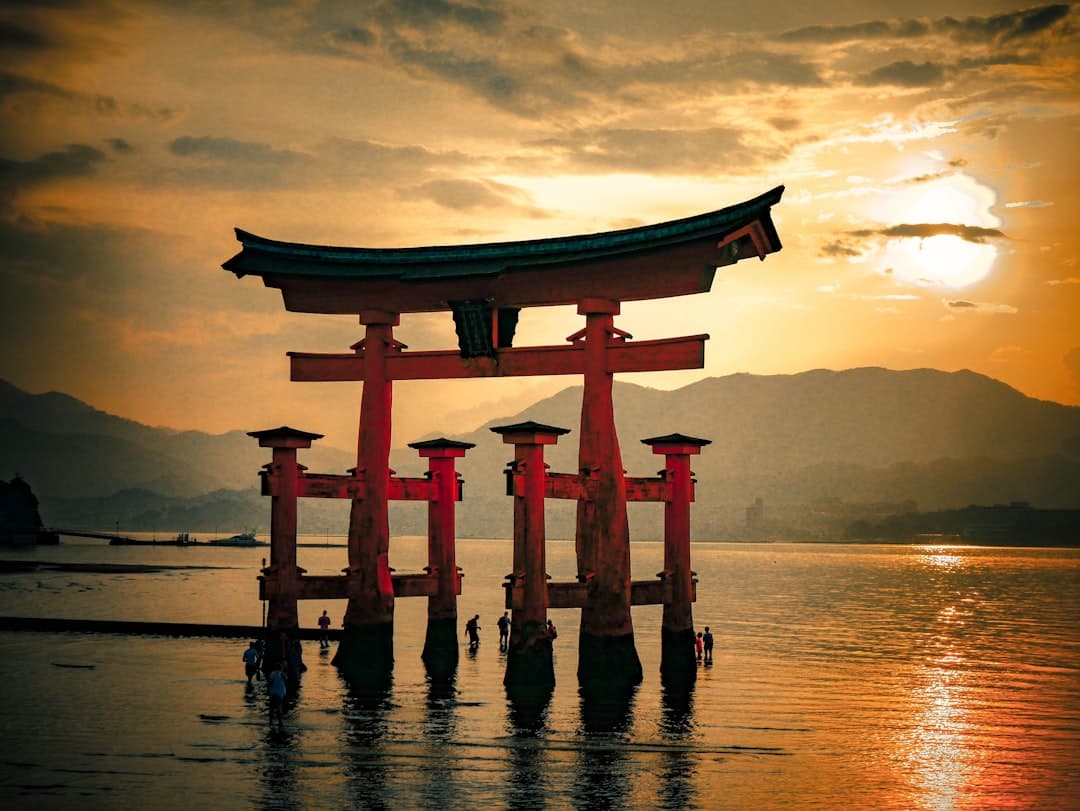
Hiroshima, a city that beautifully blends resilience and peace, invites travelers to explore its profound history and vibrant culture. Home to the poignant Hiroshima Peace Memorial Park and Museum, visitors can reflect on the past while enjoying the city's renowned culinary delights, including the famous okonomiyaki. With picturesque landscapes like the nearby Miyajima Island, featuring the iconic floating torii gate, Hiroshima offers a unique journey through history and natural beauty.
Best Time to Visit
The best time to visit Hiroshima is during the spring (March to May) and autumn (September to November) seasons. Spring offers beautiful cherry blossoms, particularly in late March to early April, while autumn showcases vibrant fall foliage from late Octo
Things to Do in Hiroshima, Japan
Best Things to See & Do in Hiroshima
Hiroshima Peace Memorial Museum
The essential museum documenting the atomic bombing through poignant personal artifacts and survivor testimonies.
Atomic Bomb Dome (Genbaku Dome)
The skeletal remains of the Industrial Promotion Hall, preserved exactly as it stood after the 1945 blast.
Itsukushima Shrine (Miyajima)
A UNESCO-listed Shinto shrine on Miyajima Island famous for its "floating" torii gate in the Seto Inland Sea.
Hiroshima Castle (Carp Castle)
A replica of the 1590s fortress, featuring a museum on Hiroshima’s history and a top-floor city lookout.
Shukkeien Garden
A historic Japanese "shrunken scenery" garden featuring miniature forests, valleys, and a central pond.
Orizuru Tower
A modern tower next to the A-Bomb Dome featuring a "Peace Wall" where you can drop hand-folded paper cranes.
Okonomi-mura (Okonomiyaki Village)
A three-story building packed with over 20 stalls serving Hiroshima's signature layered savory pancakes.
Mount Misen (Miyajima)
The highest peak on Miyajima Island, accessible by ropeway or hiking, featuring ancient temples and "eternal" flames.
Mazda Museum
The global headquarters and museum of Mazda, featuring a 7-km assembly line and concept cars.
Daisho-in Temple
An ancient Buddhist temple complex on Miyajima with hundreds of unique statues wearing hand-knit hats.
Hiroshima Museum of Art
A private museum in a circular building featuring works by French Impressionists and modern Japanese artists.
Mazda Zoom-Zoom Stadium
The home of the Hiroshima Toyo Carp baseball team, known for its asymmetric design and passionate fans.
Hiroshima Orizuru Square
A digital art space and café within Orizuru Tower that uses AR to show how the city recovered after the war.
Mitaki-dera Temple
A "hidden" Buddhist temple featuring three waterfalls and a beautiful red pagoda tucked into a forest.
Hondori Shopping Arcade
A bustling, covered pedestrian street filled with fashion boutiques, arcades, and drugstores.
Hiroshima Prefectural Art Museum
Located next to Shukkeien, this museum focuses on art related to Hiroshima and Salvador Dalí.
Naka Waste Incineration Plant
A high-tech waste plant designed by Yoshio Taniguchi, featuring a "glass tunnel" through the machinery.
Children's Peace Monument
A statue of Sadako Sasaki, who died of leukemia after the bomb, surrounded by millions of colorful paper cranes.
Glass Village (Garassu-no-Sato)
A theme park dedicated to glass art, featuring mirrors, glass-blowing workshops, and a "Glass Castle."
Hiroshima City Museum of Contemporary Art
Japan's first public museum of contemporary art, located on a hill overlooking the city.
Ebisu Shrine
A small but historic shrine in the downtown district, famous for the "Ebisu-san" business festival in November.
Gokoku Shrine
A large Shinto shrine located on the grounds of Hiroshima Castle, dedicated to those who died in war.
Kure Maritime Museum (Yamato Museum)
A museum in nearby Kure dedicated to Japan's maritime history, featuring a 1:10 scale model of the battleship Yamato.
Momijidani Park (Miyajima)
A park at the foot of Mt. Misen famous for its 700 maple trees and iconic red wooden bridges.
Cenotaph for the A-Bomb Victims
An arched tomb in Peace Park that frames the A-Bomb Dome and holds the names of all those who perished.
Things to Do in Hiroshima - Top 25 Attractions
Planning a trip to Hiroshima? Discover the 25 best things to do in Hiroshima, Japan. From iconic landmarks and historic sites to local markets and outdoor adventures, our guide covers the top attractions and must-see sights that make Hiroshima one of the most popular destinations in Japan.
Top things to see in Hiroshima include Hiroshima Peace Memorial Museum, Atomic Bomb Dome (Genbaku Dome), Itsukushima Shrine (Miyajima) and 2 more incredible sites. Each offers a unique glimpse into what makes Hiroshima special for first-time visitors and seasoned travellers alike.
Whether you're visiting Hiroshima for a weekend break or a longer stay, there are things to do for every type of traveller — cultural experiences, historic sightseeing, outdoor activities, and local food markets. Most visitors recommend spending at least 2–3 days to cover the main highlights of Hiroshima.
Browse the full list of Hiroshima attractions below, save your favourites, and build a personalised itinerary that matches your pace and interests. Our free Hiroshima travel guide is updated regularly so you always have the most current recommendations.
Frequently Asked Questions about Hiroshima
What are the must-see attractions in Hiroshima?
Hiroshima offers numerous iconic attractions. Our curated list includes top-rated landmarks, museums, and hidden gems. Browse our recommendations above to plan your perfect sightseeing itinerary.
How do I skip the lines at popular attractions in Hiroshima?
To avoid long queues, visit popular attractions early in the morning or book skip-the-line tickets online. Weekdays are generally less crowded than weekends.
Are there free attractions in Hiroshima?
Yes, Hiroshima has many free attractions including parks, historic neighborhoods, and sometimes free museum days. Check our tips section for money-saving advice.
Explore More of Hiroshima
About Hiroshima, Japan
Hiroshima is one of Japan's most visited destinations, celebrated for Hiroshima Peace Memorial Park, Atomic Bomb Dome, Okonomiyaki, Shukkeien Garden. The city draws travellers who come to experience its unique blend of history, culture, and modern life — a character shaped over centuries that few destinations in Asia can match. Whether you're planning a short city break or a longer trip, Hiroshima has enough depth and variety to reward every type of visitor.
Our free Hiroshima guide covers 25 attractions and points of interest, from iconic landmarks and historic sites to local markets, parks, and neighbourhood highlights. The city's top attractions span a broad range of interests — museum lovers will find world-class collections and gallery spaces, while those who prefer open-air exploration can discover historic quarters, waterfront districts, and green spaces that reveal Hiroshima's everyday character. Most major sights are reachable on foot or by public transport, making it easy to combine several stops in a single day without needing to hire a car or join an organised tour.
The food scene in Hiroshima is one of the city's enduring draws. Our guide features 25 handpicked restaurants and dining spots, ranging from street food stalls and neighbourhood eateries serving authentic Japan cuisine to mid-range bistros and higher-end dining with atmosphere and views. Eating well in Hiroshima doesn't require a large budget — some of the most memorable meals come from simple local places that most visitors walk straight past. Taking the time to explore different areas and neighbourhoods quickly reveals how Hiroshima's food culture reflects the broader personality of the city and its people.
Choosing where to stay shapes the entire experience of a Hiroshima visit. Our guide includes 21 vetted accommodation options across the city's main districts, covering budget-friendly hostels, mid-range hotels, boutique properties, and apartments suited to longer stays or families. Staying centrally puts the main sights within easy walking distance, but choosing a quieter neighbourhood a little further out often delivers better value and a more authentic local feel. The right area depends on what matters most to you — whether that's access to key attractions, good public transport links, proximity to the best restaurants, or simply finding a part of Hiroshima that fits your pace.
A few practical details worth knowing before you travel: the local language is Japanese; the currency is JPY; the best time to visit is The best time to visit Hiroshima is during the spring (March to May) and autumn (September to November) seasons. Spring offers beautiful cherry blossoms, particularly in late March to early April, while autumn showcases vibrant fall foliage from late Octo. Getting around Hiroshima is generally straightforward — most cities in Japan offer a reliable mix of metro, bus, and tram networks, with central areas compact enough to cover on foot. Local customs, tipping etiquette, safety advice, and money-saving strategies are all covered in the dedicated Hiroshima travel tips section of this free guide, which is updated regularly to reflect current conditions on the ground.