Safety Score
8/10
Currency
JPY
Language
Japanese
Timezone
Asia/Tokyo
About Hiroshima
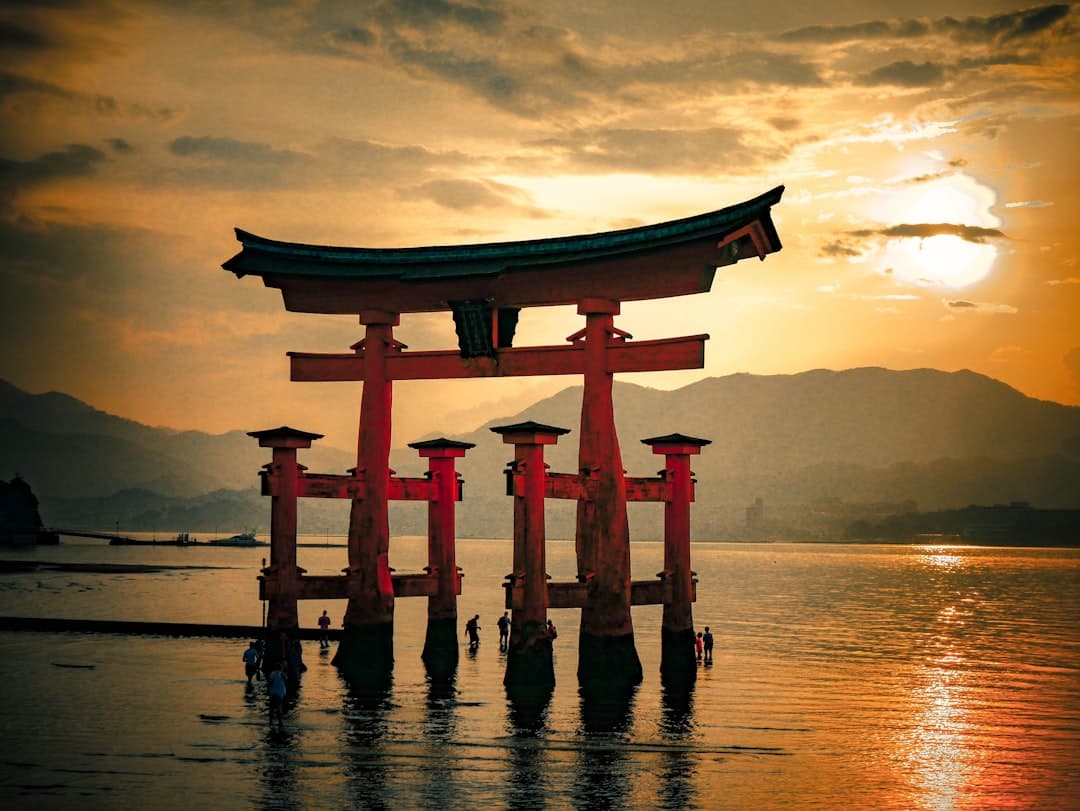
Hiroshima, a city that beautifully blends resilience and peace, invites travelers to explore its profound history and vibrant culture. Home to the poignant Hiroshima Peace Memorial Park and Museum, visitors can reflect on the past while enjoying the city's renowned culinary delights, including the famous okonomiyaki. With picturesque landscapes like the nearby Miyajima Island, featuring the iconic floating torii gate, Hiroshima offers a unique journey through history and natural beauty.
Best Time to Visit
The best time to visit Hiroshima is during the spring (March to May) and autumn (September to November) seasons. Spring offers beautiful cherry blossoms, particularly in late March to early April, while autumn showcases vibrant fall foliage from late Octo
Hiroshima Travel Tips - Japan Visitor Guide
Insider Tips for Visiting Hiroshima
Insider Tips
10 local insights to help you travel smarter
Ride the "Hiroshima Electric Railway" (Hiroden) streetcars; they are the symbol of the city and include vintage cars from all over Japan and Europe.
Visit the "Peace Memorial Museum" as soon as it opens (8:30 AM) to experience the exhibits with the quiet reflection they deserve before the school groups arrive.
Avoid the "Atomic Bomb Dome" area during the mid-afternoon if you want photos without hundreds of tourists; the lighting at sunset is much more atmospheric.
Take the "Maple-oop" (Meipuru-pu) tourist loop bus for free if you have a valid JR Pass; it stops at all major sights like the Castle and Shukkeien Garden.
Note the "Miyajima Visitor Tax" of 100 JPY; this is usually included in your ferry ticket price to help preserve the island’s heritage and environment.
Tipping is not practiced in Hiroshima and can be seen as awkward or offensive; simply pay the amount on the bill and a polite "Arigato" is enough.
Head to the "Shukkeien Garden" for a traditional tea ceremony overlooking the miniature landscapes; it is one of the most peaceful spots in the city center.
Use the "Sanyo Shinkansen" for day trips to nearby Iwakuni to see the Kintai Bridge; it’s only 15 minutes away by bullet train.
Head to "Mitaki-dera" for a hidden gem experience; it features three waterfalls and beautiful moss-covered statues away from the main tourist trail.
Try "Momiji Manju" (maple-leaf shaped cakes) on Miyajima; the deep-fried version (Age-momiji) is a local favorite and perfect for a quick snack.
Hiroshima Travel Tips - Essential Visitor Information
Get the most out of your Hiroshima trip with essential travel tips from people who know the city well. From local customs and getting around, to budgeting advice and safety — these insider tips help you visit Hiroshima like a local.
Understanding how Hiroshima works — its transport, tipping culture, local etiquette, and hidden costs — can make the difference between a stressful trip and a seamless one. These tips are based on real traveller experiences in Japan.
The tips below cover everything you need to know before and during your Hiroshima visit, organised so you can find relevant advice quickly whether you're still planning or already there.
Frequently Asked Questions about Hiroshima
What should I know before visiting Hiroshima?
Key tips include understanding local customs, knowing the currency, and being aware of any visa requirements. Our comprehensive tips above cover everything you need for a smooth trip.
What's the tipping culture in Hiroshima?
Tipping customs vary by location and service type. Check our detailed tips above for specific guidance on tipping at restaurants, hotels, and for tour services in Hiroshima.
Is English widely spoken in Hiroshima?
English proficiency varies. In tourist areas, you'll generally find English speakers, but learning a few local phrases is always appreciated and helpful.
Explore More of Hiroshima
About Hiroshima, Japan
Hiroshima is one of Japan's most visited destinations, celebrated for Hiroshima Peace Memorial Park, Atomic Bomb Dome, Okonomiyaki, Shukkeien Garden. The city draws travellers who come to experience its unique blend of history, culture, and modern life — a character shaped over centuries that few destinations in Asia can match. Whether you're planning a short city break or a longer trip, Hiroshima has enough depth and variety to reward every type of visitor.
Our free Hiroshima guide covers 25 attractions and points of interest, from iconic landmarks and historic sites to local markets, parks, and neighbourhood highlights. The city's top attractions span a broad range of interests — museum lovers will find world-class collections and gallery spaces, while those who prefer open-air exploration can discover historic quarters, waterfront districts, and green spaces that reveal Hiroshima's everyday character. Most major sights are reachable on foot or by public transport, making it easy to combine several stops in a single day without needing to hire a car or join an organised tour.
The food scene in Hiroshima is one of the city's enduring draws. Our guide features 25 handpicked restaurants and dining spots, ranging from street food stalls and neighbourhood eateries serving authentic Japan cuisine to mid-range bistros and higher-end dining with atmosphere and views. Eating well in Hiroshima doesn't require a large budget — some of the most memorable meals come from simple local places that most visitors walk straight past. Taking the time to explore different areas and neighbourhoods quickly reveals how Hiroshima's food culture reflects the broader personality of the city and its people.
Choosing where to stay shapes the entire experience of a Hiroshima visit. Our guide includes 21 vetted accommodation options across the city's main districts, covering budget-friendly hostels, mid-range hotels, boutique properties, and apartments suited to longer stays or families. Staying centrally puts the main sights within easy walking distance, but choosing a quieter neighbourhood a little further out often delivers better value and a more authentic local feel. The right area depends on what matters most to you — whether that's access to key attractions, good public transport links, proximity to the best restaurants, or simply finding a part of Hiroshima that fits your pace.
A few practical details worth knowing before you travel: the local language is Japanese; the currency is JPY; the best time to visit is The best time to visit Hiroshima is during the spring (March to May) and autumn (September to November) seasons. Spring offers beautiful cherry blossoms, particularly in late March to early April, while autumn showcases vibrant fall foliage from late Octo. Getting around Hiroshima is generally straightforward — most cities in Japan offer a reliable mix of metro, bus, and tram networks, with central areas compact enough to cover on foot. Local customs, tipping etiquette, safety advice, and money-saving strategies are all covered in the dedicated Hiroshima travel tips section of this free guide, which is updated regularly to reflect current conditions on the ground.