Safety Score
8/10
Currency
JPY
Language
Japanese
Timezone
Asia/Tokyo
About Hiroshima
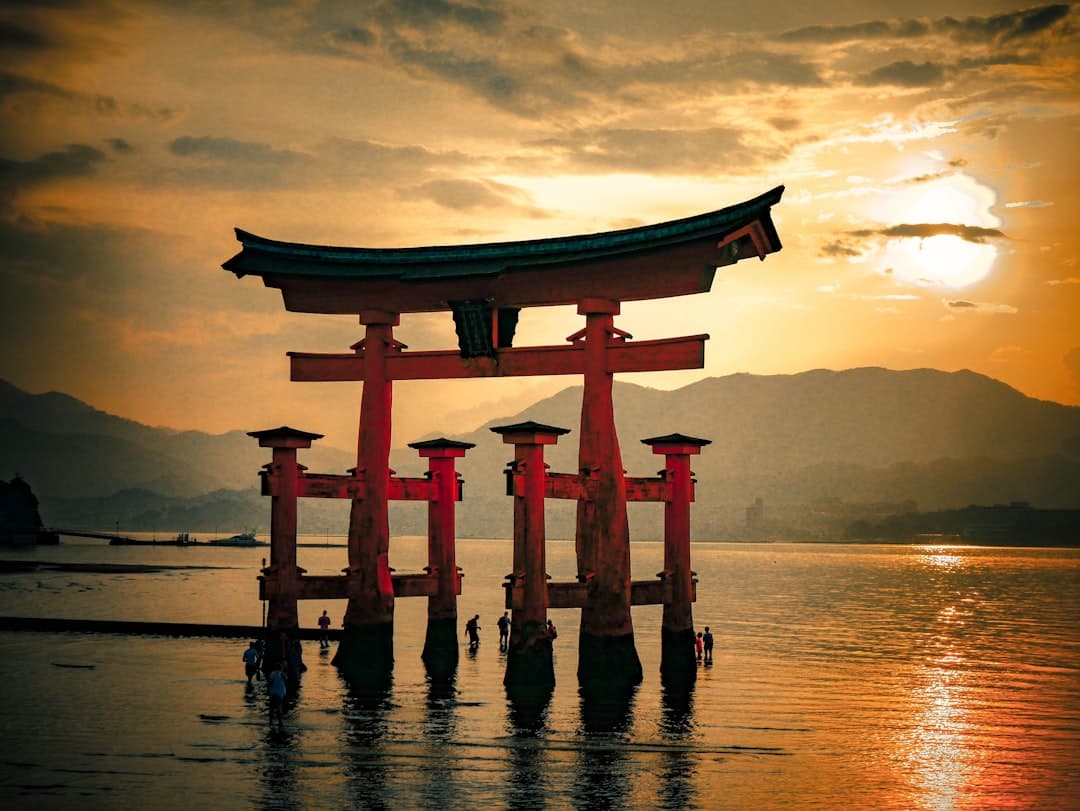
Hiroshima, a city that beautifully blends resilience and peace, invites travelers to explore its profound history and vibrant culture. Home to the poignant Hiroshima Peace Memorial Park and Museum, visitors can reflect on the past while enjoying the city's renowned culinary delights, including the famous okonomiyaki. With picturesque landscapes like the nearby Miyajima Island, featuring the iconic floating torii gate, Hiroshima offers a unique journey through history and natural beauty.
Best Time to Visit
The best time to visit Hiroshima is during the spring (March to May) and autumn (September to November) seasons. Spring offers beautiful cherry blossoms, particularly in late March to early April, while autumn showcases vibrant fall foliage from late Octo
Hiroshima Itinerary - Japan Trip Plans
Day-by-Day Itineraries for Hiroshima
1-Day Itinerary
Andersen Hiroshima
Enjoy a wide selection of freshly baked Danish-style pastries and coffee in this historic building that survived the atomic blast.
The "Sunrise" melon pan is a local favorite; the second floor offers a more formal sit-down breakfast set.
Peace Memorial Park & Museum
Visit the A-Bomb Dome, the Children's Peace Monument, and the deeply moving Memorial Museum.
Rent an audio guide at the museum for the full historical context; the Cenotaph perfectly frames the A-Bomb Dome for photos.
Okonomimura (Okonomiyaki Village)
Dine at this "food theme park" featuring over 20 stalls, each serving Hiroshima’s signature layered savory pancake.
Hiroshima-style includes noodles (soba or udon); look for a stall with a seat at the teppan grill to watch the chef work.
Itsukushima Shrine (Miyajima Island)
Take the ferry to see the "Floating" Torii Gate and the vermilion shrine buildings set over the Seto Inland Sea.
Check the tide tables before going; high tide makes the shrine "float," while low tide lets you walk out to the gate.
Itsuki Coffee (Miyajima)
Take a break with specialty coffee roasted right on the island, offering a modern aesthetic in a traditional setting.
Try the "Miyajima Coffee Soft Serve" or a pour-over while watching the deer wander past the shop front.
Mount Misen (via Ropeway)
Ascend the sacred mountain of Miyajima for breathtaking views over the many islands of the Seto Inland Sea at golden hour.
The last ropeway down is usually around 5:30 PM (varies by season), so time your ascent carefully for the views.
Nagataya
End your day with world-famous Hiroshima oysters and premium sake at this popular spot near the Peace Park.
The grilled oysters with butter and soy sauce are a local delicacy; expect a queue, but it moves fast.
Hiroshima Itinerary - Day-by-Day Travel Plans
Plan your perfect Hiroshima trip with our detailed itineraries. Whether you have 1 day, 3 days, or a full week, our Hiroshima travel plans help you see the best attractions, eat at the right restaurants, and experience the city without missing the highlights.
Our Hiroshima itineraries balance popular landmarks with local experiences, giving you a realistic day-by-day schedule rather than an overwhelming wish list. Each plan accounts for travel time between areas so you're not rushing.
Customise the itinerary below based on your interests — skip sections that don't appeal to you and add extra time at the places you care about most. A good Hiroshima itinerary works around you, not the other way around.
Frequently Asked Questions about Hiroshima
What is the best Hiroshima itinerary?
The best itinerary depends on your interests and available time. Our curated itineraries above range from 1-day quick visits to comprehensive week-long explorations, covering top attractions, dining, and local experiences.
Can I see Hiroshima in one day?
While one day is short, you can see key highlights with our 1-day itinerary. Focus on the most iconic attractions and save other experiences for a future visit.
How do I customize my Hiroshima itinerary?
Use our suggested itineraries as a starting point and adjust based on your interests. Add more time for activities you enjoy, and consider the travel tips section for practical planning advice.
Explore More of Hiroshima
About Hiroshima, Japan
Hiroshima is one of Japan's most visited destinations, celebrated for Hiroshima Peace Memorial Park, Atomic Bomb Dome, Okonomiyaki, Shukkeien Garden. The city draws travellers who come to experience its unique blend of history, culture, and modern life — a character shaped over centuries that few destinations in Asia can match. Whether you're planning a short city break or a longer trip, Hiroshima has enough depth and variety to reward every type of visitor.
Our free Hiroshima guide covers 25 attractions and points of interest, from iconic landmarks and historic sites to local markets, parks, and neighbourhood highlights. The city's top attractions span a broad range of interests — museum lovers will find world-class collections and gallery spaces, while those who prefer open-air exploration can discover historic quarters, waterfront districts, and green spaces that reveal Hiroshima's everyday character. Most major sights are reachable on foot or by public transport, making it easy to combine several stops in a single day without needing to hire a car or join an organised tour.
The food scene in Hiroshima is one of the city's enduring draws. Our guide features 25 handpicked restaurants and dining spots, ranging from street food stalls and neighbourhood eateries serving authentic Japan cuisine to mid-range bistros and higher-end dining with atmosphere and views. Eating well in Hiroshima doesn't require a large budget — some of the most memorable meals come from simple local places that most visitors walk straight past. Taking the time to explore different areas and neighbourhoods quickly reveals how Hiroshima's food culture reflects the broader personality of the city and its people.
Choosing where to stay shapes the entire experience of a Hiroshima visit. Our guide includes 21 vetted accommodation options across the city's main districts, covering budget-friendly hostels, mid-range hotels, boutique properties, and apartments suited to longer stays or families. Staying centrally puts the main sights within easy walking distance, but choosing a quieter neighbourhood a little further out often delivers better value and a more authentic local feel. The right area depends on what matters most to you — whether that's access to key attractions, good public transport links, proximity to the best restaurants, or simply finding a part of Hiroshima that fits your pace.
A few practical details worth knowing before you travel: the local language is Japanese; the currency is JPY; the best time to visit is The best time to visit Hiroshima is during the spring (March to May) and autumn (September to November) seasons. Spring offers beautiful cherry blossoms, particularly in late March to early April, while autumn showcases vibrant fall foliage from late Octo. Getting around Hiroshima is generally straightforward — most cities in Japan offer a reliable mix of metro, bus, and tram networks, with central areas compact enough to cover on foot. Local customs, tipping etiquette, safety advice, and money-saving strategies are all covered in the dedicated Hiroshima travel tips section of this free guide, which is updated regularly to reflect current conditions on the ground.